 |
|
|
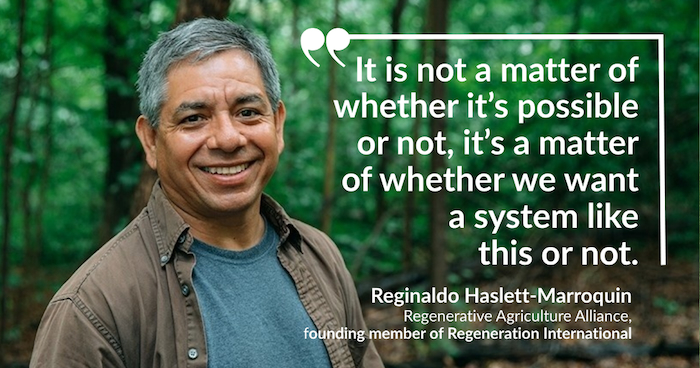
'Medicine to the Land': How Regenerative Agriculture Might Help Avert DisasterBy Kevin Loria, Consumer Reports “Stoney Creek is one well-known farm in the regenerative space, especially in Minnesota, but it’s not the only one that has had a significant impact. About 40 minutes south of Minneapolis sits Salvatierra Farms, a regenerative operation that serves as a teaching farm for Reginaldo Haslett-Marroquin’s Tree-Range Farms system. Tree-Range is a collective of farmers based in the Minnesota region that sell chicken raised in a “jungle-like” habitat that’s supposed to represent the animals’ true natural environment—a distinct alternative to the smelly warehouses that pack in broiler birds by the thousands. A native Guatemalan, Haslett-Marroquin—Regi, as everyone refers to him—is a founding member of the group Regeneration International and directs the Regenerative Agriculture Alliance, with a goal of scaling up regenerative systems. Here at Salvatierra Farms, farmers that want to join the Tree-Range system can come see how they raise chickens—so they can replicate the strategy wherever they are. Producers in this system are not lone operatives but are part of a larger group that can share knowledge and resources.” Haslett-Marroquin says “It is not a matter of whether it’s possible or not, it’s a matter of whether we want a system like this or not.” Read More
|
|
|
 |
|
|
Grassroots Rising: The Sixth Annual People’s Food Summit Is Coming!This World Food Day, October 16, join us for a one-of-a-kind 24-hour virtual journey around the globe. The People’s Food Summit brings together farmers, researchers, activists and communities from all over the world to celebrate regenerative organic agriculture and its promise for a healthy future on this planet. Through cross-continental conversations and research showcases, the People's Food Summit explores how soil, water, biodiversity and community resilience can be restored, one field, one farm, one network at a time, from the soil up. The program spans climate-resilient grazing in drylands, agroforestry in temperate and tropical zones, urban gardens and vast rangelands, all celebrating the small-scale producers who grow 70% of the world's food. Created as a grassroots alternative to the UN Food Systems Summit, which has been captured by corporate agribusiness interests, the event puts community-led solutions front and center, from agroecology and permaculture to holistic grazing. Join in to learn, share and regenerate. Learn more about the People’s Food Summit 2026 Ver página en Español
|
|
|
 |
|
|
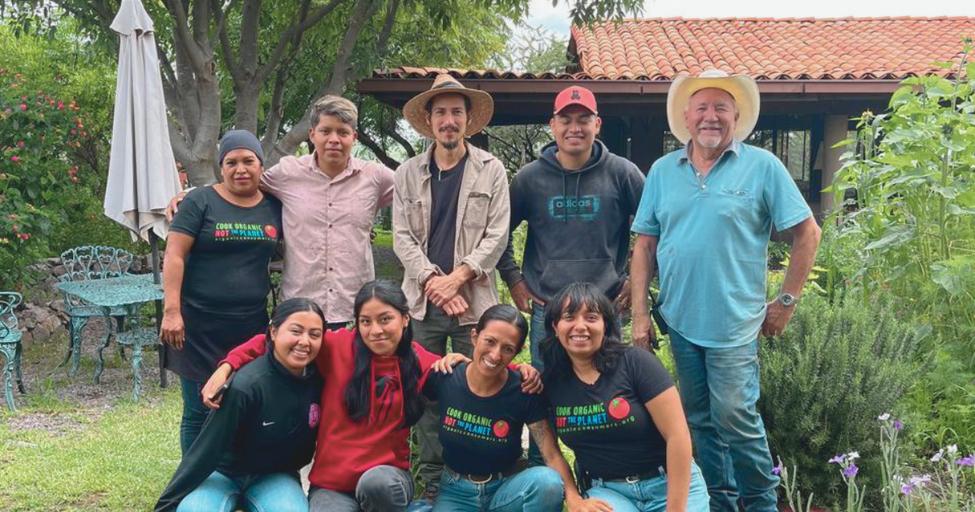
The Organic Movement Stands Together: Elevating Truly Regenerative Agriculture and Calling Out Regen Greenwashing by Lua Studt Solano “Regenerative agriculture is capturing the imagination of farmers, food companies, retailers, investors, philanthropies and policy makers. The aspirational messaging is broadly appealing. For many farmers, the mindset and craftsmanship in regenerative just feels right. Science shows that many regenerating practices (most all used in organic for decades) have positive impact on soil health, biodiversity, water cycles and, often, nutrient density in food. These are all positive developments. And a huge opportunity to find new allies and grow the organic movement. And yet…. The Regen momentum is also driven forward by a lot of hype, an army of consultants and, not least, by the ease with which the unprotected term ”regenerative” can be used while largely continuing with degenerative practices. It’s very easy to greenwash. And it is happening. In the market. At investment conferences and in policy circles.” Read More
|
|
|
 |
|
|
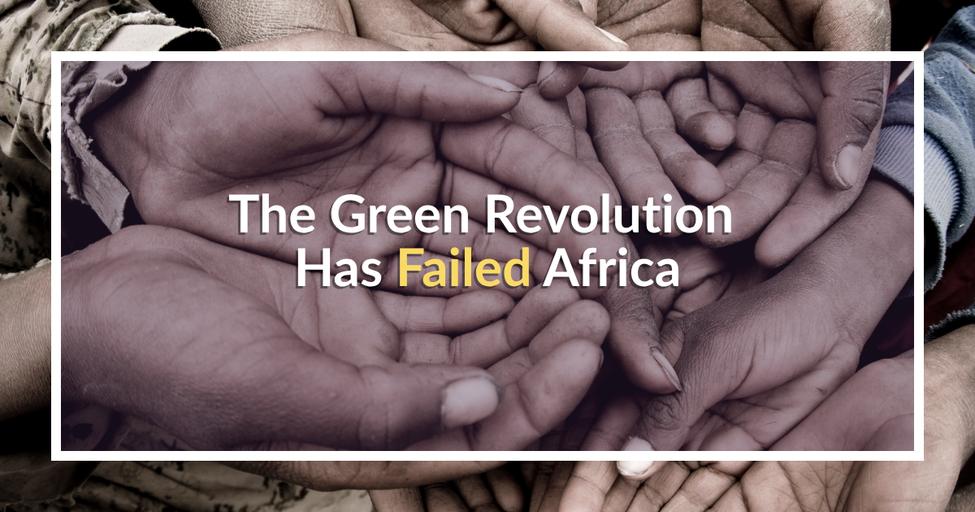
Twenty Years of the Green Revolution in Africa: The Evidence Says It Failedby AFSA Africa “Twenty years ago, the Alliance for a Green Revolution in Africa launched with a promise: commercial seed, synthetic fertiliser and better market access would lift yields, raise incomes and cut hunger across the continent. This week, as AGRA marks that twentieth anniversary with a continent-wide celebration tour, a new report from the Alliance for Food Sovereignty in Africa (AFSA) puts that promise against the record — and finds it broken. The Green Revolution Has Failed Africa: Twenty Years of Evidence and What Works Instead, released today, is the most detailed independent assessment yet of what two decades and billions of philanthropic dollars actually bought the thirteen countries AGRA prioritised. The numbers are stark. The count of chronically undernourished people across those countries has risen 58% since 2006 — nearly double the 31% increase already flagged in an earlier assessment in 2020. That’s against a programme that set out, explicitly, to cut hunger in half. Fertiliser use more than doubled over the same period. Cropland expanded by 46%, as forests and grazing land were cleared for cultivation. Yet staple-crop yield growth actually slowed compared with the twelve years before AGRA began. Much of the additional food produced came from farming more land, not farming it better — and the crops that historically carried households through drought, millet and sorghum among them, lost ground as maize monocultures spread.” Read More
|
|
|
 |
|
|
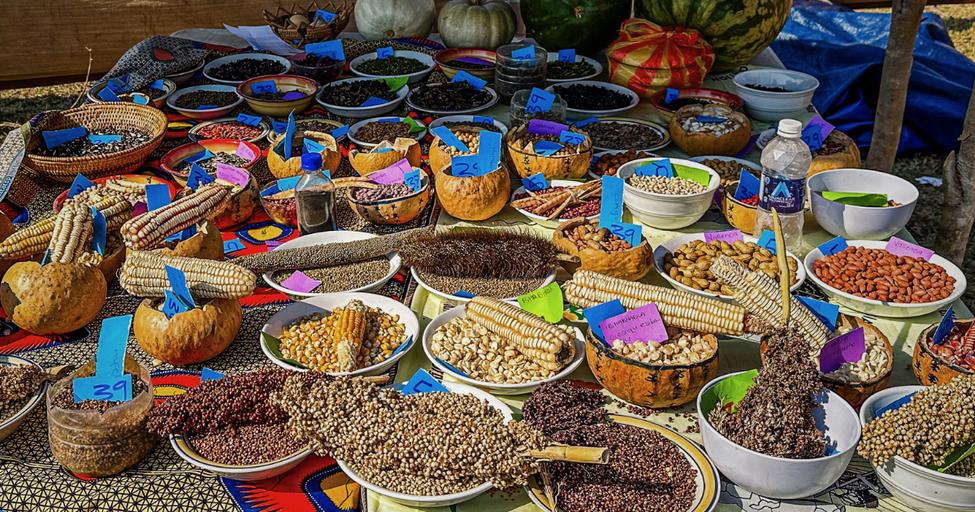
Beyond Maize: Why Neglected Crops Are SA’s Climate-Smart Futureby Dr Lehlogonolo Matelele “From the protein-packed cowpea to flood-hardy amadumbe, native African crops are proving to be agricultural game-changers. As global supply chains wobble, Dr Matelele Lehlogonolo, a scientist in the department of agriculture, says turning to resilient indigenous species protects both farm yields and household nutrition. Global agriculture is facing one of the most challenging periods in modern history. A combination of geopolitical tensions, climate instability, and economic pressures has created what experts describe as a ‘perfect storm’ for food production and food security. The ripple effects of conflicts in strategic regions, disruptions to fertiliser and fuel supply chains, rising food prices, and increasingly unpredictable weather patterns are being felt across continents. Farmers are battling escalating production costs while consumers face higher food prices and growing uncertainty about future food availability.” Learn More
|
|
|
 |
|
|
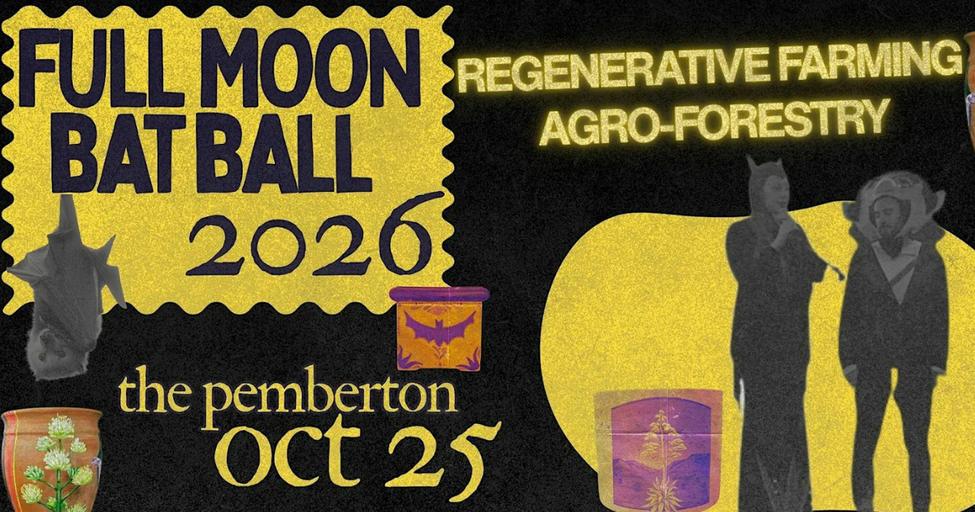
Join us for the Full Moon Bat Ball: A Joyful Celebration of RegenerationYou’re not going to want to miss this vibrant night of bats, agaves & art! This year the Full Moon Bat Ball in Phoenix, Arizona, returns for its 2nd annual edition and what is sure to be a night to remember. Last year, the event raised nearly $5,000 in support of Regeneration International and the Billion Agave Project, helping spotlight regenerative agriculture systems built to restore arid and semi-arid land, nourish biodiversity, and support soil health. Sip, dance & explore this regenerative bond through spirits, music & immersive installations. Come dressed as your favorite bat-inspired character—Batgirl, Batman, Dracula, Twilight, The Count, Bat Masterson, baseball bat, or something entirely your own—and be part of a night that is equal parts party, performance, and purpose. Learn more and get tickets Get reminders from the Facebook event page
|
|
|
 |
|
|
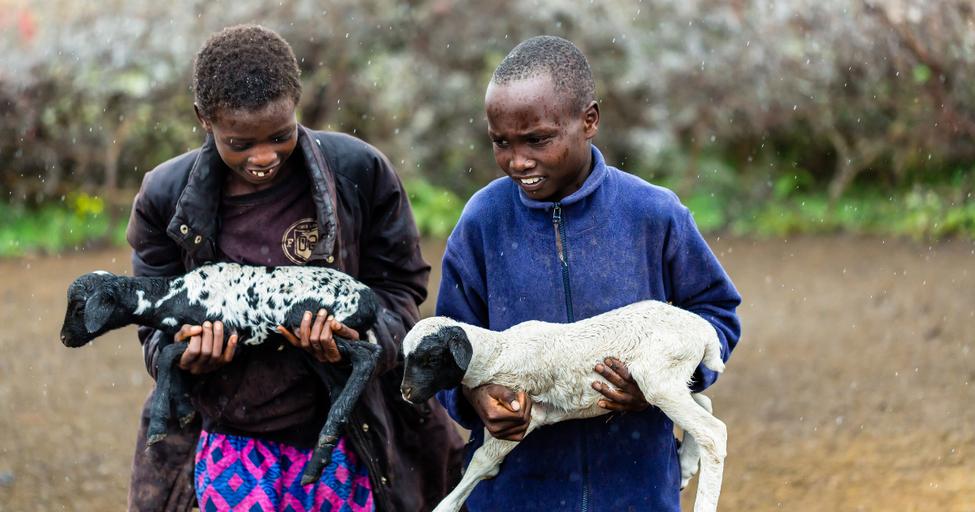
At Global Desertification Conference, Pastoralists Call for Greater RecognitionBy Joseph Lee “Cattle are a central part of the identity of Andrew Msami’s Maasai community in northeast Tanzania. Herd size determines social position, and many people keep all their wealth in livestock, not banks. In recent years, however, Msami and others have been forced to sell the animals and buy goats, which can handle drought better but are less financially and culturally valuable. Msami says adapting to a shifting climate has been a part of Maasai life for generations, but recent conditions represent an existential threat. ‘We have to adapt because it’s like desertification is attacking our identity,’ Msami told Grist. a U.S.-based nonprofit media organization. ‘If you lose your identity, it means you have lost everything.’” Read More
|
|
|
 |
|
|
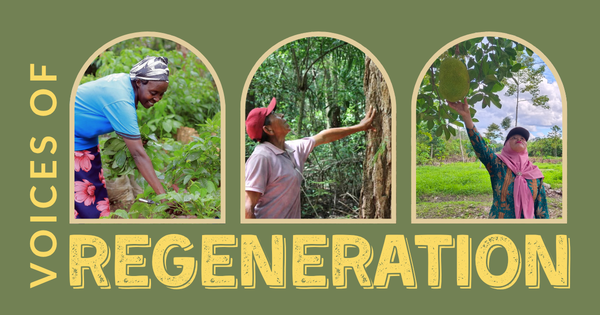
Voices of Regeneration - Stories of Regeneration from RI PartnersThis newsletter reaches more than 790 partner organizations across 80+ countries, each one advancing regenerative food, farming, and land stewardship in their own region, in their own way. This section is dedicated to the people and organizations behind that work. Each issue we'll feature a farmer, researcher, advocate, or partner doing something worth knowing about. IAFN - Meet the International Analog Forestry Network: Restoring Healthy Forests, Not Plantations A tree monoculture is not a forest—and that distinction sits at the heart of the International Analog Forestry Network's work. IAFN supports grassroots groups and communities across the Global South and beyond in restoring degraded landscapes using Analog Forestry, an approach that learns from nature itself. By harnessing ecological succession and mimicking the structure of natural forests, communities rebuild diverse, resilient ecosystems that buffer against floods and droughts while regenerating land for the long term. But the benefits go well beyond ecology: Analog Forestry gives local people practical tools to design and restore their own forests, producing food, timber, medicines and fibres along the way. The approach also strengthens food security, supports local markets and amplifies rural women's leadership in territorial decision-making—rebuilding the relationship between people and the land they depend on. Learn more about IAFN here Stay up to date on their work by following their Facebook and Instagram Are you an RI partner? We want to hear from you. Every month, we feature partner profiles, stories, and initiatives right here and across RI's social media channels. Whether you have an update about your work, a video highlighting a regenerative solution, or a story from your community, we'd love to share it. Send your content to [email protected] — and if your organization is hosting classes, workshops, trainings, or events, we can help amplify those too. Not yet part of the network? RI's partner community spans more than 790 organizations in over 80 countries, united by a shared commitment to regenerative food, farming, and land stewardship. Join us here. We Welcome Our Newest Partners: International Analog Forestry Network [Global] Mediapro Cameroon Coop CA [Cameroon] ColoredCow Farms [India] Regenerate Climate [USA]
|
|
|
 |
|
|
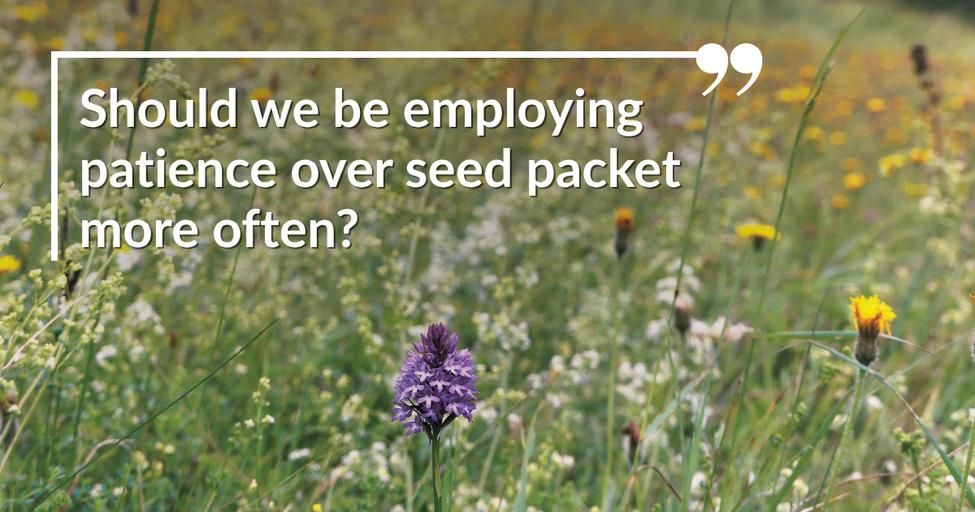
Scientists Left This Farm Field Alone. Thousands of Orchids Appearedby University College London UCL "Research led by Professor Carl Sayer at UCL Geography has found that abandoned farmland can recover naturally and develop into a diverse wildflower meadow, raising questions about some conventional methods used in habitat restoration. Published in Restoration Ecology, the research followed changes in plant life over 11 years (2011-2022) in a two-hectare field in North Norfolk. Farming at the site ended after its final crop in 2005. Aside from a traditional annual hay cut, the field was largely allowed to recover without intervention. Farmland Transforms Into a Wildflower Meadow Within 10-15 years, the former arable field had developed into a species-rich wildflower meadow. The number and variety of plants increased over time, including locally rare species such as southern marsh orchid, greater tussock-sedge, yellow rattle and common centaury. The results call into question the common assumption that restoring species-rich grassland necessarily requires commercial seed mixes or other expensive measures. Instead, the researchers suggest that allowing natural ecological processes to unfold can restore biodiversity while also preserving the genetic diversity of plants already adapted to the local area.” Continue Reading
|
|
|
 |
|
|
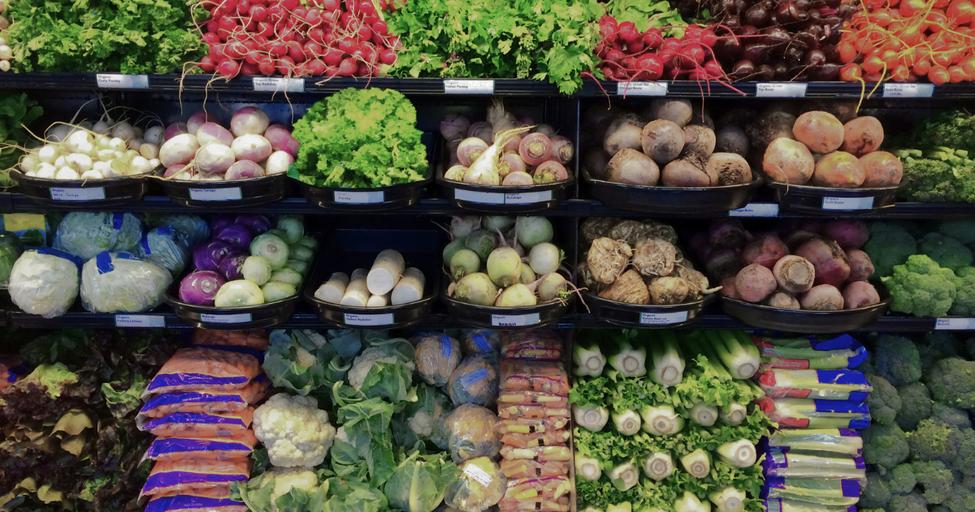
Is Our Food System Becoming Less Safe?by Rebekah Alvey “Earlier this summer, iceberg lettuce grown in Mexico by fresh produce behemoth Taylor Farms was linked to the cyclospora outbreak that has infected a historic number of Americans. Since the start of the outbreak, consumers have been more cautious about their food purchases, sometimes opting out of fresh produce. On a large scale, this caution has manifested in lettuce and produce sales plummeting, with farms in California’s Salinas Valley abandoning crops and cutting staff, according to the New York Times. Sales of pre-packaged salads have fallen, and food chains that specialize in salads, or offer lettuce on items, have also seen a dip in sales. Instead, consumers are turning to locally grown produce sold at farmers’ markets. Some markets across the country report seeing foot traffic increase by as much as a 30 percent since the start of the outbreak. These trends signal a growing distrust in the U.S. food supply’s safety.” Read More
|
|
|
 |
|
|
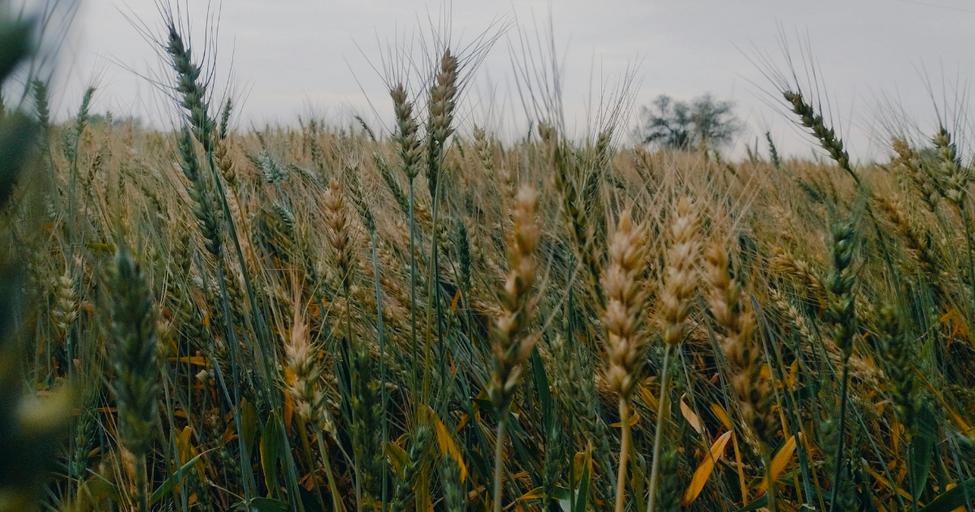
Regenerating the Fields: Wheat Farmers Are Diversifying and Seeing ResultsWildflower strips and organic farming are both funded by the EU as environmentally friendly practices, but how do they actually compare? A new international study involving University of Göttingen researchers, published in the Journal of Applied Ecology, put both methods to the test in winter wheat fields near Göttingen over a two-year period. The findings: both approaches boosted biodiversity by 20 to 30% compared with conventional farming, though they benefited different species—flower strips drew three times as many bee species, while organic fields hosted the greatest variety of wild plants. Economically, organic farming came out on top, with profits 1.5 times higher than conventional fields despite yields being only half as large, thanks to better market prices and subsidies. The researchers note that farmers tend to place flower strips on their least productive land, and argue that combining both methods—rather than choosing one—may be the smarter path toward farmland that supports both biodiversity and livelihoods. Read “Organic Farming Outperforms Wildflower Strips on Profits While Both Improve Farm Biodiversity” by HUN-REN Centre for Ecological Research to learn more
|
|
|
 |
|
|
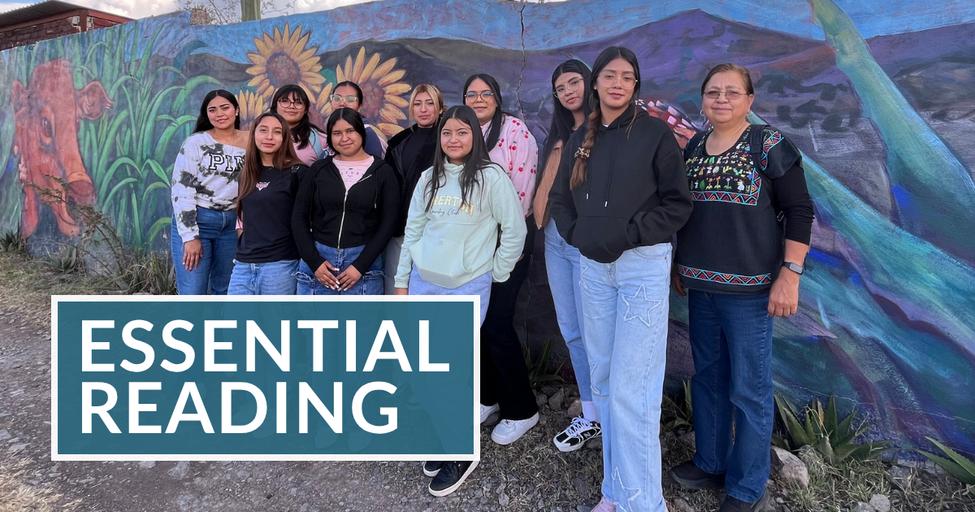
Essential Reading and ViewingKiss the Ground Mini-Documentaries Our award-winning mini-documentary series, Stories of Regeneration, showcases journeys of farmers and leaders transforming the movement. Alaska Tribe Sues Feds to Stop Logging in Tongass National Forest Significant amounts of old-growth trees in Alaska’s Tongass National Forest are on the federal chopping block, prompting a Thursday lawsuit from the Ketchikan Indian Community and two environmental groups. For These Midwest Farmers, Regenerative Agriculture Is About More Than Soil Health. It’s Spiritual Small compared with its neighbors, the 63 acres (25 hectares) of land was once a conventional row crop farm. Transformed by Reginaldo Haslett-Marroquin, an agronomist and regenerative farmer who grew up in the northern Guatemalan rainforest, Salvatierra Farms embraces crop diversity and natural solutions — no herbicides, pesticides or chemical fertilizers — for its poultry or other operations. He wants it to be a model for others. ETCHED Immersive Gala Celebrates Women-Led Regenerative Agriculture in Africa Alabaster’s Sept. 12 gala immerses guests in East African culture, elevating women smallholder farmers during the U.N. International Year of the Woman Farmer. New Horizon Europe “Circulandia” Project Promotes Circular Food Systems, Regenerative Agriculture and Reusable Packaging The EU-funded CIRCULANDIA project has secured €9.6 million through Horizon Europe to develop and scale circular food-system solutions across Europe between 2026 and 2030. Coordinated by CLIC Innovation, the initiative combines regenerative agriculture, local food production and distribution, and reusable packaging to reduce greenhouse gas emissions, improve soil health and biodiversity, shorten supply chains, and cut packaging waste. Major Boost for UK Farmers As Beer Giant to Pay Them for Making Key Change The company brews over 1.3 billion pints of beer every year and supplies 80% of UK pubs. The Ecosystems Woven Into Our Clothes “There are indicator species that you can see at different stages of ecosystem repair,” said Bronwyn Botha, regenerative agriculture and biodiversity strategist for Textile Exchange, a nonprofit supporting the fashion, apparel, and textile industries in sourcing raw materials and fibers from preferred production systems. “If you’ve got one of those predators, like a puma, it might be annoying for your wool production, but it can also be a great sign that things are doing well.” ‘Proof by Underpants’ Offers a Cheeky Way to Test Soil Over 2,000 pairs of cotton underwear were buried in Switzerland in the name of science.
|
|
|
 |
|
|
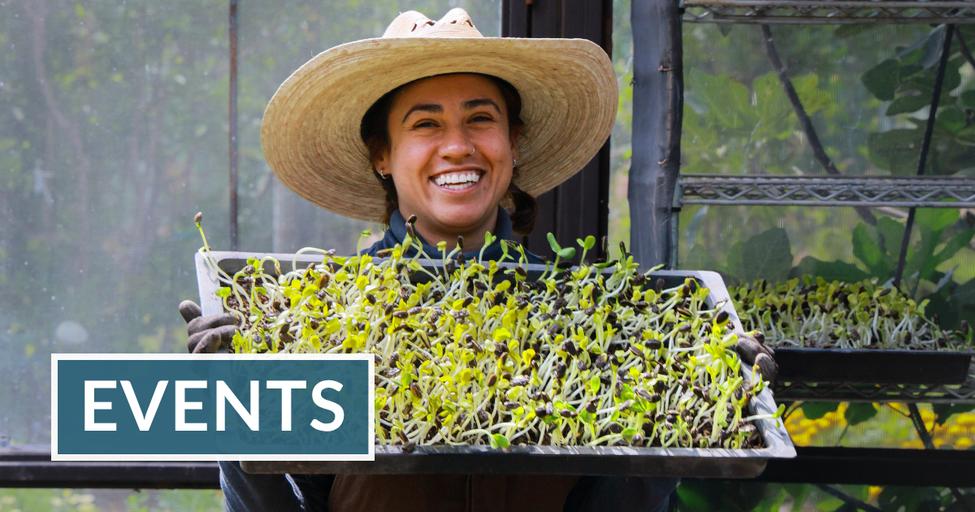
Upcoming EventsIn Person: 09/26 - Permaculture Design Course (PDC). Brogo, NSW, Australia. 09/26 - Regenerating Europe Tour Goes to Ireland. Ireland. 10/02 - Cover Cropping, Drought Resilience & Soil Assessment: Lakeland Farms. BC, Canada. 10/03 - Hoes Down Harvest Festival. California, USA. 10/07 - Mix4Agroecology Conference. Paris, France. 10/09 - International Conference on Regenerative Agriculture, Soil Health and Indoor Farming (ICRASIF). Tegucigalpa, Honduras. 10/18 - The Conversion: A Regenerative Farming Intensive. São Miguel, Azores, Portugal. 10/25 - Full Moon Bat Ball. Arizona, USA. 10/26 - Agroecology Week of Action 2026 –PELUM Uganda. Kampala, Uganda. 10/28 - The REGENERATE Conference. New Mexico, USA. Online: 10/05 - Webinar - Una cuestión de principios: Webinar de lanzamiento 10/07 - Webinar - From Concentrates to Crops: Rethinking Pig Production by Letting Pigs Forage 10/16 - Webinar – People’s Food Summit 2026. **Click here to view full events calendar and submit your own
|
|
|
Help transform the way we grow food, heal our planet, and create a sustainable future.Every dollar counts. Your support drives positive change across the globe. Make a tax-deductible donation to RI and be part of a powerful worldwide movement restoring our planet's health. Your gift makes a difference.
♥ Help Support Our Work
|
|
|
|
Follow RI On Social Media:
|
|
|
|
|
|