|
|


|
|
Jump to: Featured Articles | Events Calendar | Translate Newsletter Online
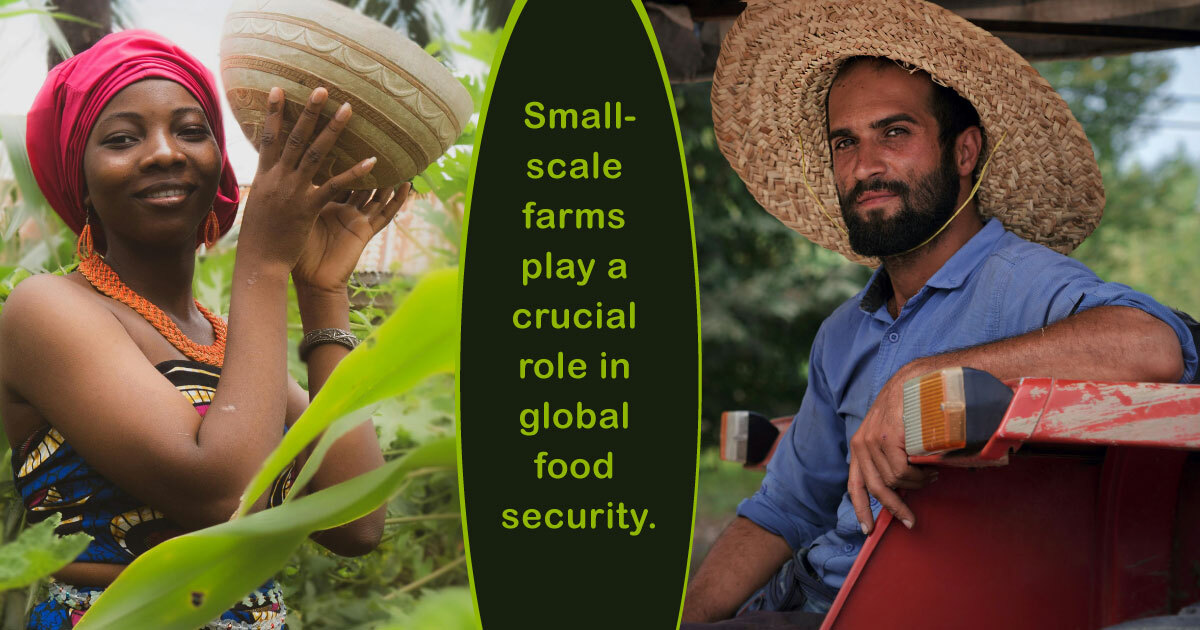
Small-Scale Farmers Produce More of the Rich World’s Food Than Previously Thought – New Study
by Oliver Taherzadeh
"Who grows our food? This seemingly simple question is getting harder to answer in a world where our food crosses borders to get to our plate.
As countries increasingly rely on food imports, the mention of distant countries on our food labels is commonplace. Today, only one in seven countries are food self-sufficient across key food groups. So to understand who farms our food, researchers like me need to take a global vantage point.
The contribution of small and industrial-scale farming to global food supply has attracted much attention and debate. Yet, my research shows we’ve been measuring the wrong thing – production and not consumption.
Focusing only on national farming systems skews our perception of which farmers are feeding the world by ignoring the food – and farmers – that sustain our daily diets.
This approach also amplifies the assumption that industrial farming is the foundation of global security. But when we lift the lid on our globalised food system, the story is very different."
Learn More
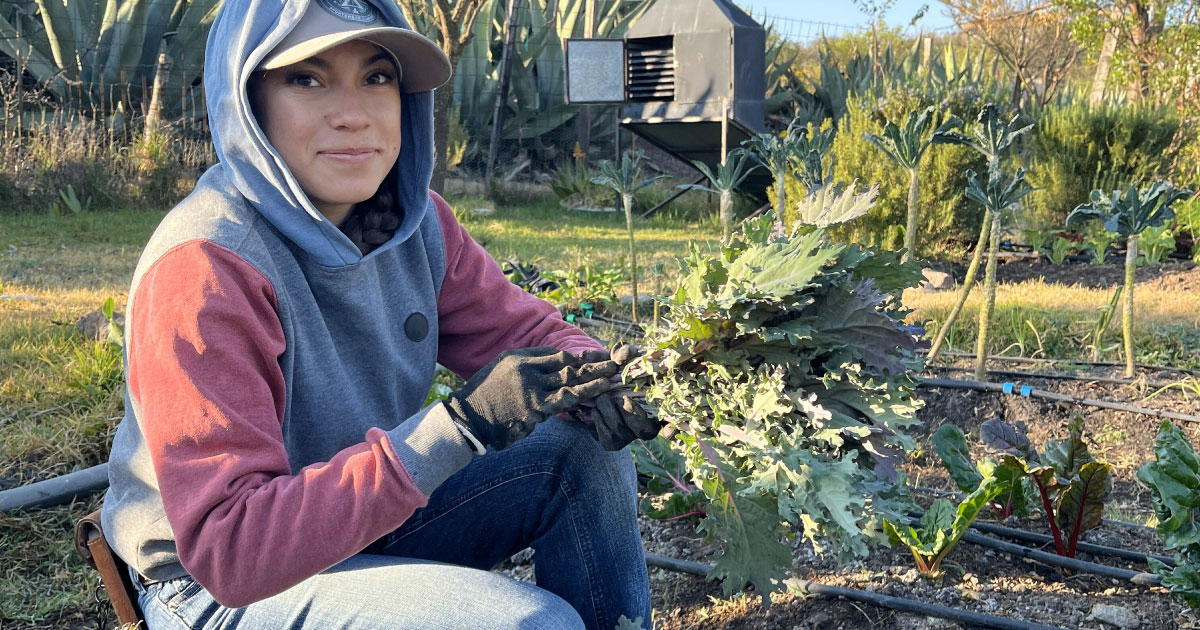
The Ecological Farming Handbook: Grow Food, Heal the Planet
"Many of us are switching to regenerative practices. We’ve realised that the land we’ve been managing ‘sustainably’ can give us more support with growing food. The Ecological Farming Handbook will show you how to choose effective regenerative practices.
Understanding how to repair our ecosystems above and below ground, we concentrate on what's essential and develop cost-effective solutions for our climate and other growing conditions. We gain the know-how to respond constructively to climate change and other emerging threats. We step back from treating the symptoms, relying instead on free ecological services.
The Ecological Farming Handbook is solidly grounded with the latest research. The science, translated into an easily digestible farmer-friendly format, reveals how farmers worldwide grow food eco-logically. Use the diagrams, links to videos, and toolkit to help you on this eco-logical journey."
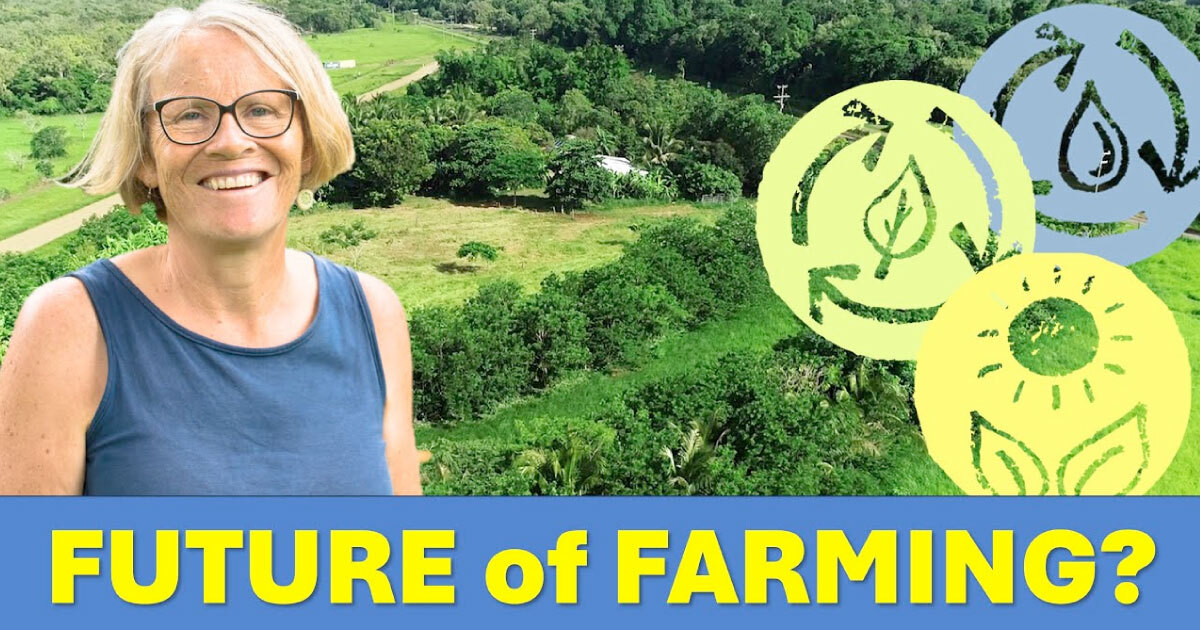
Championing Eco-Logical Farming
by Learning from Nature
[Editors note: We are happy to be shining a spotlight on a new Regeneration International Partner, Learning from Nature and Founder and CEO, Dr. Wendy Seabrook.]
"About Learning from Nature:
We help gardeners and farmers grow nutrient-dense food without the usual costs and complications.
Our eco-logical approach provides the know-how to reduce dependence on fertilisers, pest controls and other inputs, while creating resilient growing conditions which are less susceptible to pests, diseases and extreme weather.
By valuing Nature for what we can learn and combining this wisdom with our ingenuity, we seize the opportunity to cultivate healthier relationships with our environment from the ground up.
In a world where modern agriculture has pushed Nature aside and contributed majorly to the environmental and climate crisis, Dr. Wendy Seabrook is on a mission to help transform growing food into a force for good.
As a research ecologist, farmer, and gardener, Wendy has delved into the intricate dance between Nature's ecosystems and our food production systems. Her learning journey hasn't been confined to scientific papers; it's involved getting her hands dirty, supporting other farmers through Landcare and catchment management programs, and sharing the profound wisdom Nature has to offer.
“It's crazy how we champion innovation embedded in technologies, but mostly ignore the innovation embedded in the highly evolved and locally adapted ecosystems underpinning our home and commercial food production."
Watch this inspiring video to learn more about Dr. Seabrook and her vital work

The Lilongwe Declaration on Agroecology-Based School and College Meals
by Precious Phiri and AFSA
For years, school feeding programs across Africa have too often relied on imported, ultra-processed, low-nutrient foods filling plates but falling short on the ability to nourish children or strengthen local food systems. The Lilongwe AFSA Declaration on School Meals confronts this reality head-on. It calls for a decisive shift toward fresh, diverse, agroecologically produced foods sourced from local farmers, rooted in culture, and aligned with territorial markets.
What makes this moment especially powerful is that this is not just an aspiration; it is an agreement between three countries in the movement to move beyond short-term feeding models toward long-term food sovereignty, farmer livelihoods, biodiversity restoration, and child health.
In a time when food systems are under strain, this declaration stands out as one of the most hopeful developments in the Agroecology movement, a practical and inspiring step toward regenerative school meals that nourish both children and the earth from where it is grown.
Learn more
Join the Regeneration Movement!
Transform the way we grow food, heal our planet, and create a sustainable future. Your donation empowers and educates farmers, scientists, and changemakers to implement regenerative practices that:
-Rebuild soil health and boost biodiversity
-Cool our planet by returning carbon to the soil
-Ensure nutritious food for communities worldwide
-Revitalize local economies and create sustainable livelihoods
Every dollar counts. Your support drives positive change across the globe.
Donate today and be part of a powerful worldwide movement restoring our planet's health. Your gift makes a difference. Donate now!
Make a tax-deductible donation to Regeneration International
Gardening Experts Issue a Warning About Soil Problems Spreading Fast in 2026
by Brandon Marcus
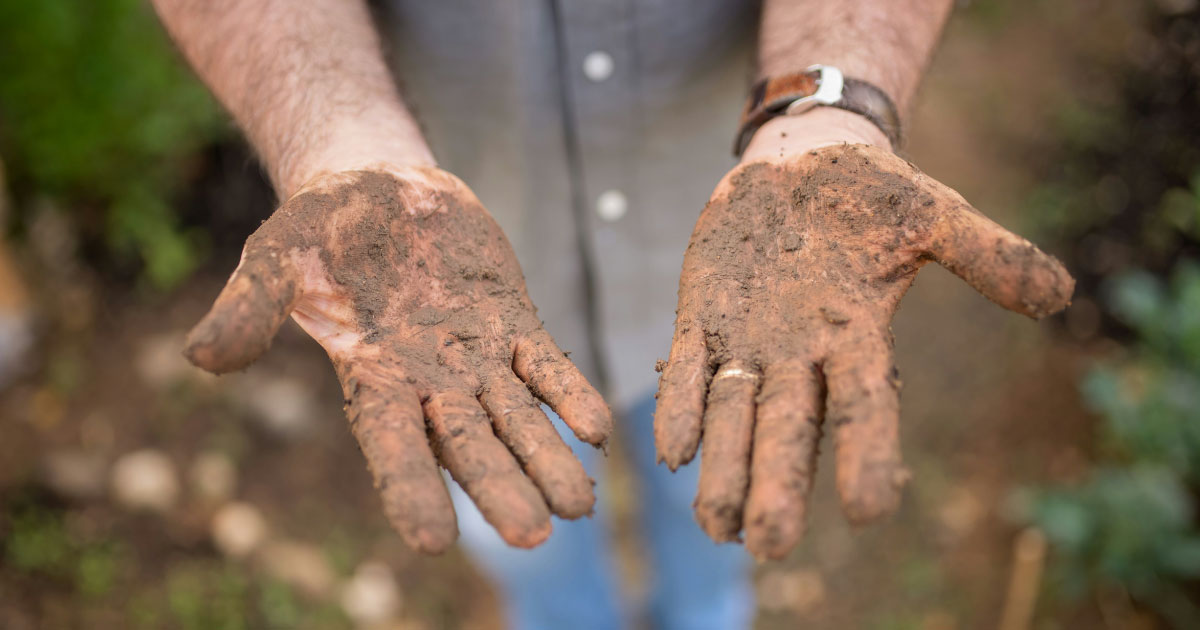
"Something strange is happening in gardens, farms, and backyard beds across the country, and seasoned growers are starting to sound the alarm. Plants look healthy one week and suddenly struggle the next, harvests shrink for no obvious reason, and once-reliable soil starts acting like it has a mind of its own. Gardening experts aren’t pointing to bugs or bad seeds this time—they’re pointing underground.
The issue isn’t flashy, dramatic, or easy to spot, which makes it even more dangerous for everyday gardeners. In 2026, soil health is becoming one of the biggest hidden threats to successful gardening, and ignoring it could cost you entire seasons of growth.
The Real Problem Isn’t Dirt — It’s Dead Soil
Healthy soil isn’t just dirt; it’s a living ecosystem full of microbes, fungi, bacteria, organic matter, air pockets, and nutrients working together. Experts warn that more soil is becoming biologically 'dead', meaning it lacks the microorganisms plants rely on to absorb nutrients."
Ecosystem Productivity Shapes How Soil Microbes Store or Release Carbon, Challenging Old Assumptions
by Li Yali, Chinese Academy of Sciences
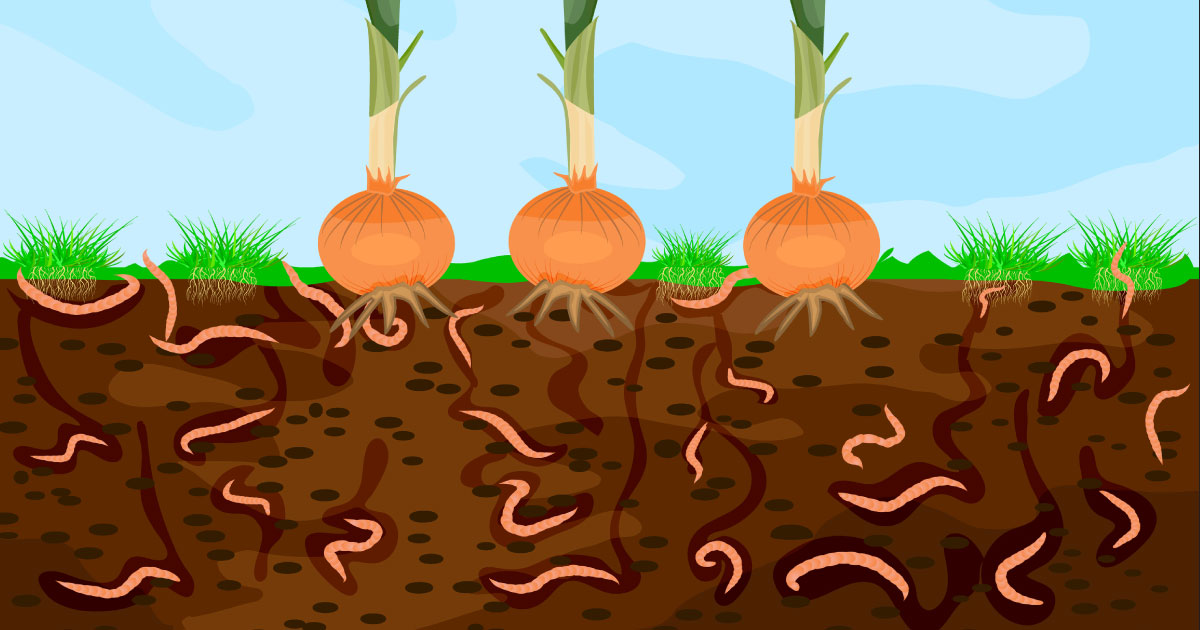
"Soils store more carbon than the atmosphere and vegetation combined, with soil microorganisms playing the main role. As a result, the global soil carbon cycle—by which carbon enters, moves through, and leaves soils worldwide—exerts a significant impact on climate change feedback.
Now an important study led by researchers from the Institute of Earth Environment of the Chinese Academy of Sciences sheds new light on this cycle by overturning assumptions about the relationship between microbial respiration and carbon storage.
The findings, published in Science Advances, offer a new perspective on soil carbon management and climate change projection models."
Learn More

Women Growing the Future
by Thousand Currents
"Across West Africa, women are reclaiming land, preserving seeds, and passing down knowledge that has sustained their communities for generations. They are growing food, restoring soil, and nurturing biodiversity while also cultivating resilience and autonomy for their communities.
They’re doing all this through Nous Sommes la Solution (“We Are the Solution”), where rural women farmers are joining together to restore ancestral knowledge of food production and land stewardship. Decades of industrial farming practices have led to soil depletion, loss of native seeds, and harmful economic outcomes throughout West Africa. In response, communities came together to form Nous Sommes la Solution (NSS), which now connects 175,000 women farmers across nine countries from Senegal to Mali, Ghana to Burkina Faso. Nous Sommes la Solution (NSS) is a powerful answer to farming practices and food systems that put profit before people. Their vision is simple: food systems led by women, rooted in local wisdom, and grounded in sovereignty."
Learn More

Youth Climate Justice Fund
by Youth Climate Justice Fund
"Welcome to the application page of the Youth Climate Justice Fund. We provide core flexible funding to emerging youth-led climate justice groups. In our 2023 and 2024 open call for applications, we received over 4,500 applications and supported over 100 groups globally.
In our 2026 open call, we invite eligible local and national groups to apply for a grant of up to USD 20,000 and up to USD 40,000 for national groups . Before you apply, please ensure that you have read our criteria and grantmaking process. We encourage all applicants to review our application package which includes Frequently Asked Questions and the full list of the application questions in Arabic, English, French, Hindi,Portuguese, Spanish and Swahili.
Our application portal is open until March 1st, 2026, 23:59 UTC, and submission is available below in Arabic, English, French, Hindi, Portuguese, Spanish and Swahili."
Learn More
Apply for a Restore Grant
by Zero Foodprint
"Take a look through the Grant Guidelines. Trust us, it will make life much, much easier. We pick the projects based on the cost per ton of carbon sequestered. Want to see what that looks like? Check out the Scoring Example.
You can also take a look at Sample Contract if you want to understand more about the terms and conditions of this grant.
Any questions? Check out our Restore FAQs.
The next practice on the next acre
Restore grants are the result of the collective actions by our member businesses, philanthropy, and individuals. Restore Grant applicants who supply ingredients to any of our ZFP member businesses benefit from a boost in our grantee selection process!"
Learn More

The Underground Network
by Paul Tullis
"On the eastern flank of the tiny constitutional monarchy of Lesotho, about 225 kilometers from Durban, South Africa, sits the village of Ha Mokoto. Its residents are eking out a living in a manner not dissimilar to how their ancestors eked out a living 200 years ago, when Basotho people, led by King Moshoeshoe I, fled to the mountains to escape colonial strife in what is today South Africa. They tend to livestock and grow corn and sorghum, a starchy grain similar to quinoa or bulgur that’s cooked in large pots and stirred with a long stick into a thick paste. Circular homes called rondavels are fashioned from a base of stones and mortar made out of dung and fine dirt harvested from termite mounds and topped with a conical roof of grass supported by beams from poplar trees."
Learn More
Food 2050 Visionaries: Nourishing Nairobi with Ubuntu
by Emily Payne
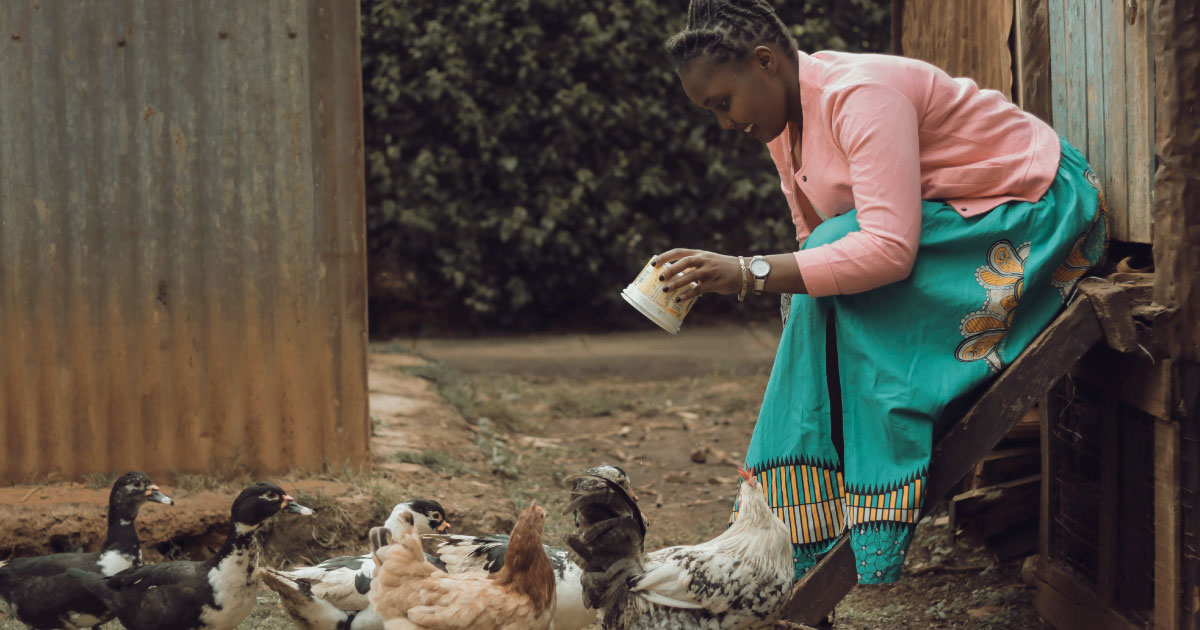
"In Kenya, nearly 50 percent of children living in low-income urban areas are malnourished. This is being driven by rapid urbanization, rising food costs, and the erosion of traditional food-sharing systems. As cities like Nairobi expand, community leaders and researchers are working to reimagine urban food systems—not just to feed people, but to restore dignity, health, and social connection.
“Growing up as a young kid, there was no guarantee that we could get 3 meals in a day. I used to depend on the school meal. It was a challenge that many people are facing,” Greg Kimani, the CEO of City Shamba, says in the Food 2050 film, which premieres January 2026 in partnership with Media RED, the Rockefeller Foundation, and Food Tank. “If my neighbor cannot have food, we are not food secure."
This belief reflects a broader cultural value rooted in Ubuntu, an Indigenous African philosophy of interconnectedness."
Learn More
|
|
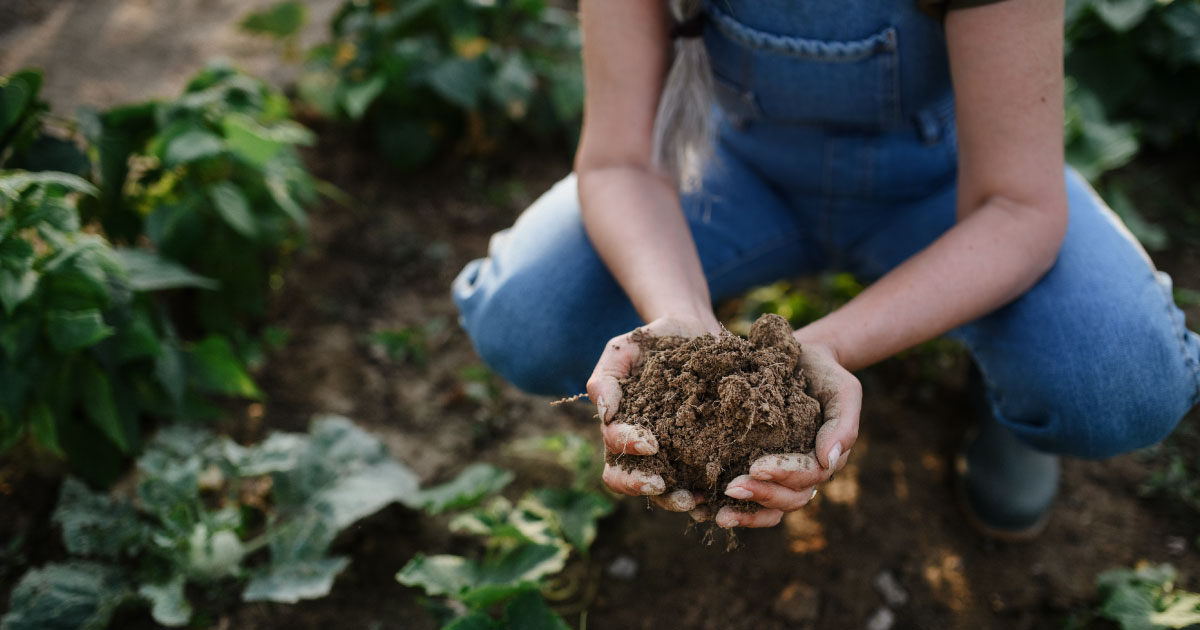
‘Investing in Regenerative and Organic Is Not a Political Stance’: Agrifood Reacts to USDA’s Regen Ag Pilot
Reactions this week to the USDA’s $700 million Regenerative Agriculture Pilot program ranged from unbridled excitement to skepticism to outright concerns of greenwashing—and they highlighted the many nuances involved with regen ag. To recap, USDA said it aims to lower farmer production costs for regenerative practices and “advance” the Make America Healthy Again (MAHA) agenda. USDA’s Natural Resources Conservation Service (NRCS) will administer the program, which will start funding farmers in 2026.
Allan Savory Announces Retirement from Savory Institute
I have always been driven by a simple determination: to live a meaningful life and leave the world better than I found it. That determination has not achanged. But in my 91st year I have asked myself how best to use the years I have left.
The Human Cost of Monopolies: Farmers, Workers, and Rural Communities
The human cost of monopoly power is not incidental. It is a predictable outcome of a system designed to concentrate control and shift risk downward. In our last post, we laid out the corporate playbook that engineered today’s food monopolies. Now, we’re focusing on what that playbook means for the people forced to live under it.
‘Pesticide Cocktails’ Polluting Apples Across Europe, Study Finds
Environmental groups have raised the alarm after finding toxic “pesticide cocktails” in apples sold across Europe. Pan Europe, a coalition of NGOs campaigning against pesticide use, had about 60 apples bought in 13 European countries – including France, Spain, Italy and Poland – analysed for chemical residues.
Food 2050 Visionaries: Rethinking the Roots of Agriculture in The Netherlands
Together with Dr. Imke de Boer, Professor of Livestock and Sustainable Food Systems at WUR, de Olde wrote Re-rooting the Dutch Food System, a blueprint for transforming Dutch agriculture by redesigning how food is produced, consumed, and valued. They were named a Top Food System Visionary in 2020 by the Rockefeller Foundation. Their vision calls for a fundamental shift toward circular food systems that work with natural processes rather than against them.
In the Brazilian Amazon, Community Conservation Success Comes With a Cost: Study
In rural communities living near Brazil’s Juruá River, a tributary of the Amazon River that flows northward through the country, families of fishers take turns in guarding the entrances of oxbow lakes. The most sinuous river in the Amazon Basin, the Juruá, meanders through low-lying floodplains, creating numerous stagnant water bodies. From small wooden watchtowers built on the water, the community members watch for poachers who seek to illegally harvest pirarucu (Arapaima gigas), the largest freshwater fish species in the Amazon and a staple species for communities’ food security.
Ocean Heat Goes Ballistic
Climate science, over the past few decades, especially since the turn of the new century, has increasingly identified trouble spots with ecosystems that support life on Earth. These crucial ecosystems are stressed. But not many of the scientific reports of the past couple of decades compares to a bone-chilling new study of massive ocean heat accumulation in the year 2025, published January 14th, 2026, ScienceDaily: The Ocean Absorbed a Stunning Amount of Heat in 2025. Sources: Institute of Atmospheric Physics and Chinese Academy of Sciences.
2026 Environmental Standards: Your Roadmap to the New Normal
If you're planning for 2026, you're probably thinking about crop rotations, equipment maintenance, and seasonal hiring. But there's another date on the calendar that deserves attention: October 2026, when California's SB 343 compliance takes full effect. And August, when the EU's packaging regulations go live across member states.
Neonicotinoid Insecticides Cause Deadly Overheating Behavior in Honey Bees, Study Finds
A study of ecotoxicity risk from neonicotinoid insecticides, published in Environmental Chemistry and Ecotoxicology, finds that chemicals in this class of pesticides, particularly dinotefuron, increase the body temperature of Apis mellifera (European honey bee) and subsequently accelerate the translocation (movement) of contaminants into hives by the honey bees. The research indicates that neonicotinoids affect acetylcholine receptors in the nervous system, leading to an “elevation in octopamine titer [neurotransmitter/hormone] and subsequent increase in the body temperature of honeybees,” the authors report.
From Soil to Health: Advancing Regenerative Agriculture for Improved Food Quality and Nutrition Security
Industrial agriculture practices including herbicide-pesticide usage, synthetic fertilizer application, large-scale monocropping, and tillage contribute to increasing concentrations of atmospheric carbon dioxide (CO2), exacerbating the effects of global climate change, damaging vital water resources via nutrient pollution and soil erosion, and significantly reducing biodiversity across ecosystems.
Looking Beyond Rotational Grazing
U.S. researcher shares benefits of ‘adaptive regenerative agricuture’.
A Lesson on Sugarcane
Bad Bunny shed light onto Puerto Rico's food security issues.
International Year of the Woman Farmer
Help us identify stories! We're looking for inspiring stories from women in agrifood systems, including smallholders/family farmers, fishers, pastoralists, cooperative leaders, extension workers, researchers, policy makers, journalists or influencers.
Why Did McDonald’s USA Invest $200 Million in Regenerative Agriculture?
In partnership with the National Fish and Wildlife Foundation, the goal of McDonald’s largest-ever investment in regenerative agriculture is to help cattle producers accelerate regenerative grazing practices.
|
Upcoming Events |
In Person:
02/15 - “Voices of Irish Farmers: A Love Story” at Scene + Heard Theatre Festival, Dublin, Ireland
02/19 - 2026 No-Till & Cover Crop Conference, USA
02/20 - California Organic Center Monthly Tours, USA
02/20 - Voices of Australian Farmers: A Love Story, Australia
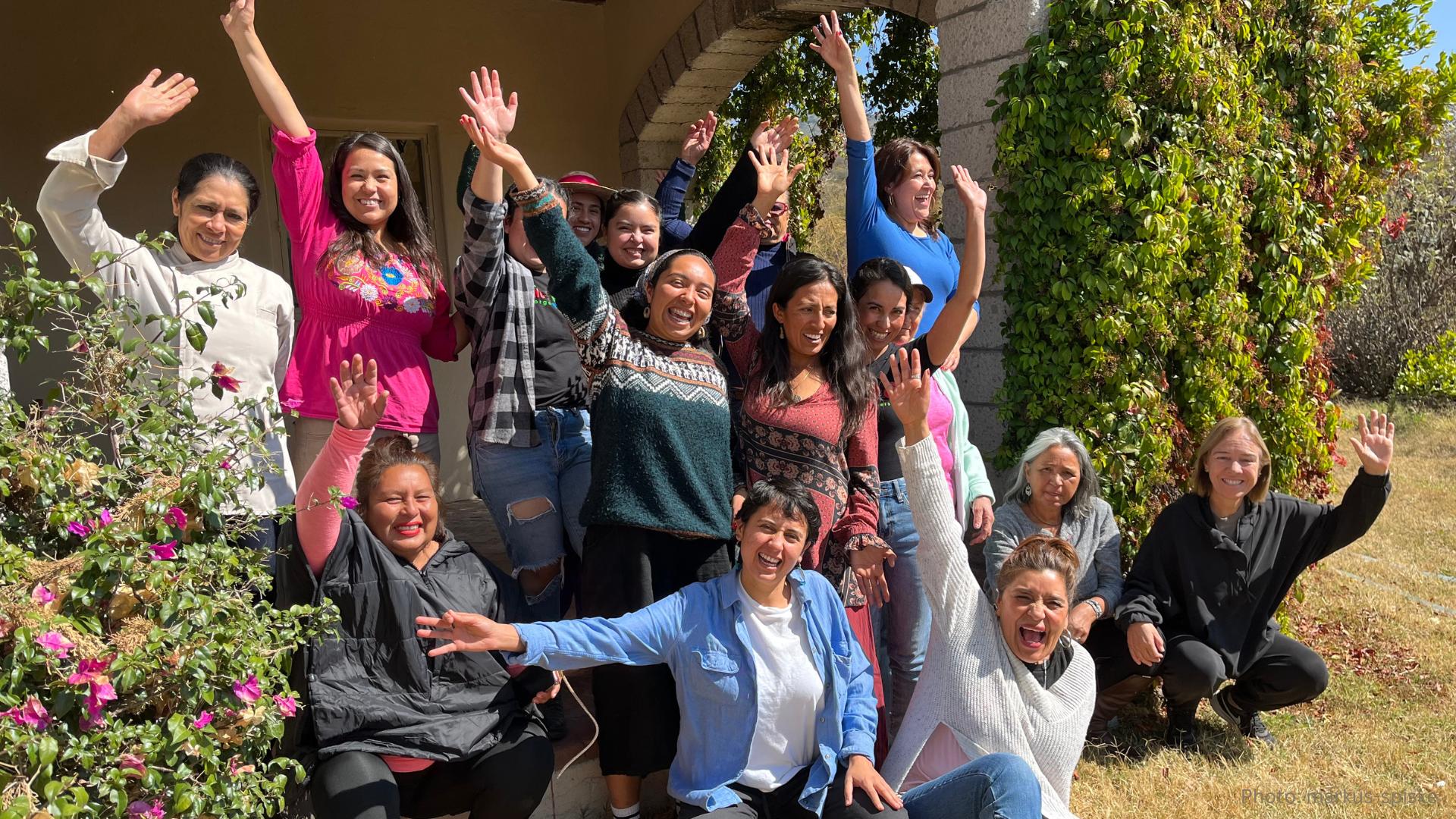
02/23 - Cocina para Regenerar la Tierra, Mexico
02/26 - Marbleseed's Annual Organic Farming Conference, USA
03/02 - Helping You Build Your Profitable, Nature Restoring, Enjoyable Farm, Wales
03/02 - Producción agroecológica de huevo, Mexico
03/03 - Midwest Grazing & Soil Health Summit, USA
Online:
02/16 - Webinar – Certificate Course on Agroecological, Regenerative & Organic Agriculture (AROA)
02/19 - Webinar – 2026 Regenerative Agriculture Winter Webinar
02/26 - Webinar - Regenerative Agriculture - EIRM
03/11 - Webinar - Rotary Hoes for Grain Crop Weed Management
*Click here to view full events calendar and submit your own
|
|
|


Regeneration International is an independent 501(c)(3) nonprofit, dedicated to building a global network of farmers, scientists, businesses, activists, educators, journalists, policymakers and consumers who will promote and put into practice regenerative agriculture and land-use practices that: provide abundant, nutritious food; revitalize local economies; regenerate soil fertility and water-retention capacity; nurture biodiversity; and restore climate stability by reducing agricultural greenhouse gas emissions while at the same time drawing down excess atmospheric carbon and sequestering it in the soil.
This email was sent to
Click Here to Unsubscribe