|
|


|
|
Jump to: Featured Articles | Events Calendar | Translate Newsletter Online
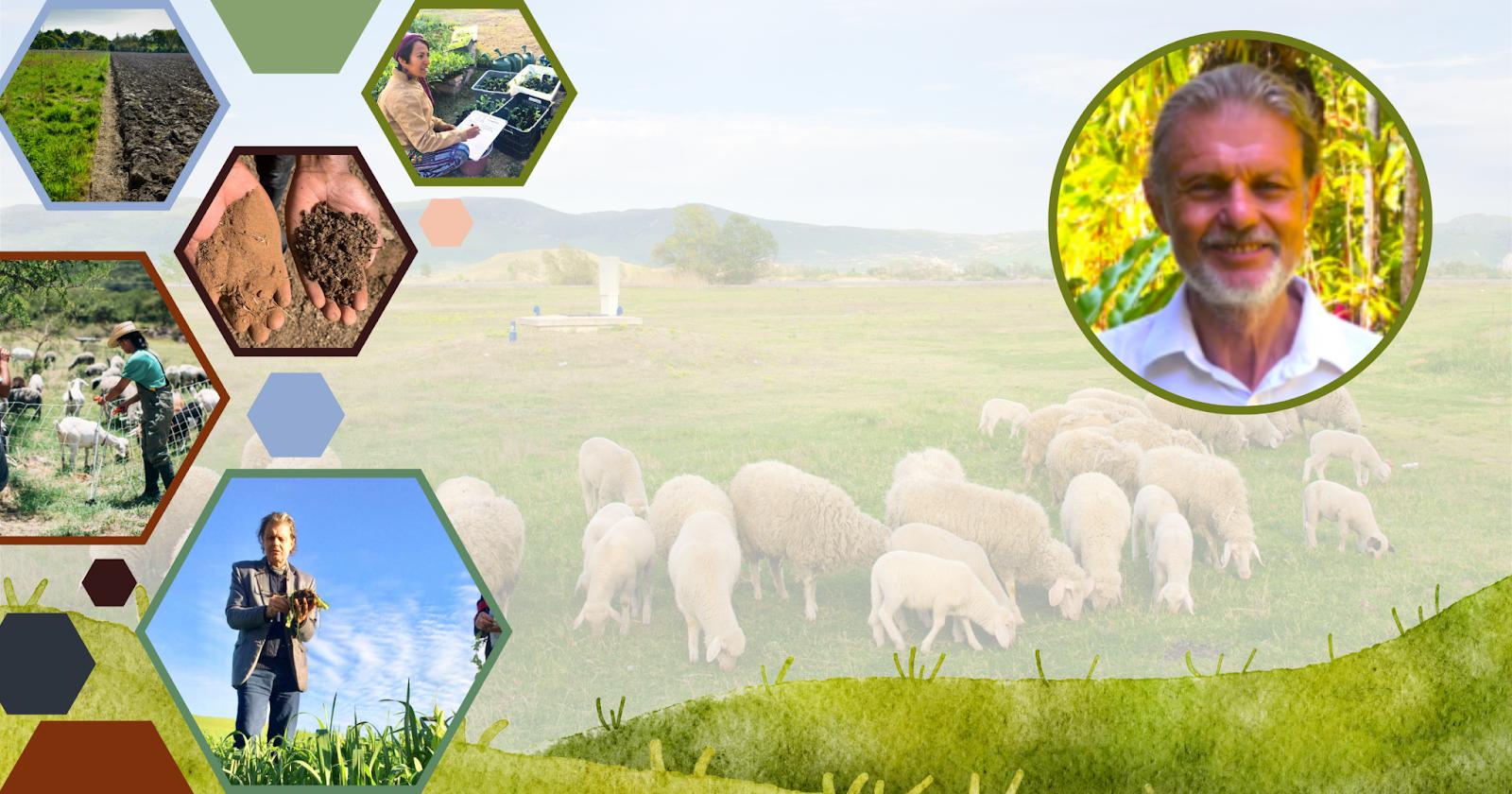
Why I Became a Leader and Founder of the International Regenerative Movement
An article from Dr. André Leu, Regeneration International Director
“I uphold the same principles and practices I championed in the 1970s as a pioneer of organic farming.”
In this compelling reflection, Dr. André Leu draws on five decades of organic farming, global advocacy and movement-building to explain why he helped launch the regenerative agriculture movement. He reflects on how the term “regenerative” was chosen to build an inclusive global movement, why the organic sector needed a deeper focus on soil health and systems change, and how regenerative practices represent a real shift away from industrial agriculture.
Leu highlights three key concerns behind shifting toward a regenerative framework: the organic sector’s neglect of foundational issues like soil health and soil organic matter; how certified-organic systems have drifted toward industrial forms; and the urgent need for a global, inclusive movement.
“I will not fight over the best name for an agricultural system. “
Leu positions the regenerative movement as inclusive, dynamic and global, opening pathways for farmers, activists and organisations, even without formal certification, to participate in transformative change. He urges: “Our debates should stay respectful, honest, and grounded in practices and inputs rather than wasting time on names.” This article invites us to reflect on whether our work - in farming, outreach, policy or education - aligns with regeneration’s core principles of building soil, restoring ecosystems, empowering communities and supporting climate resilience.
Read:
Why I Became a Leader and Founder of the International Regenerative Movement
Watch:
Celebrating 10 years of Regeneration International: Cultivating Soil, Solidarity, and System Change
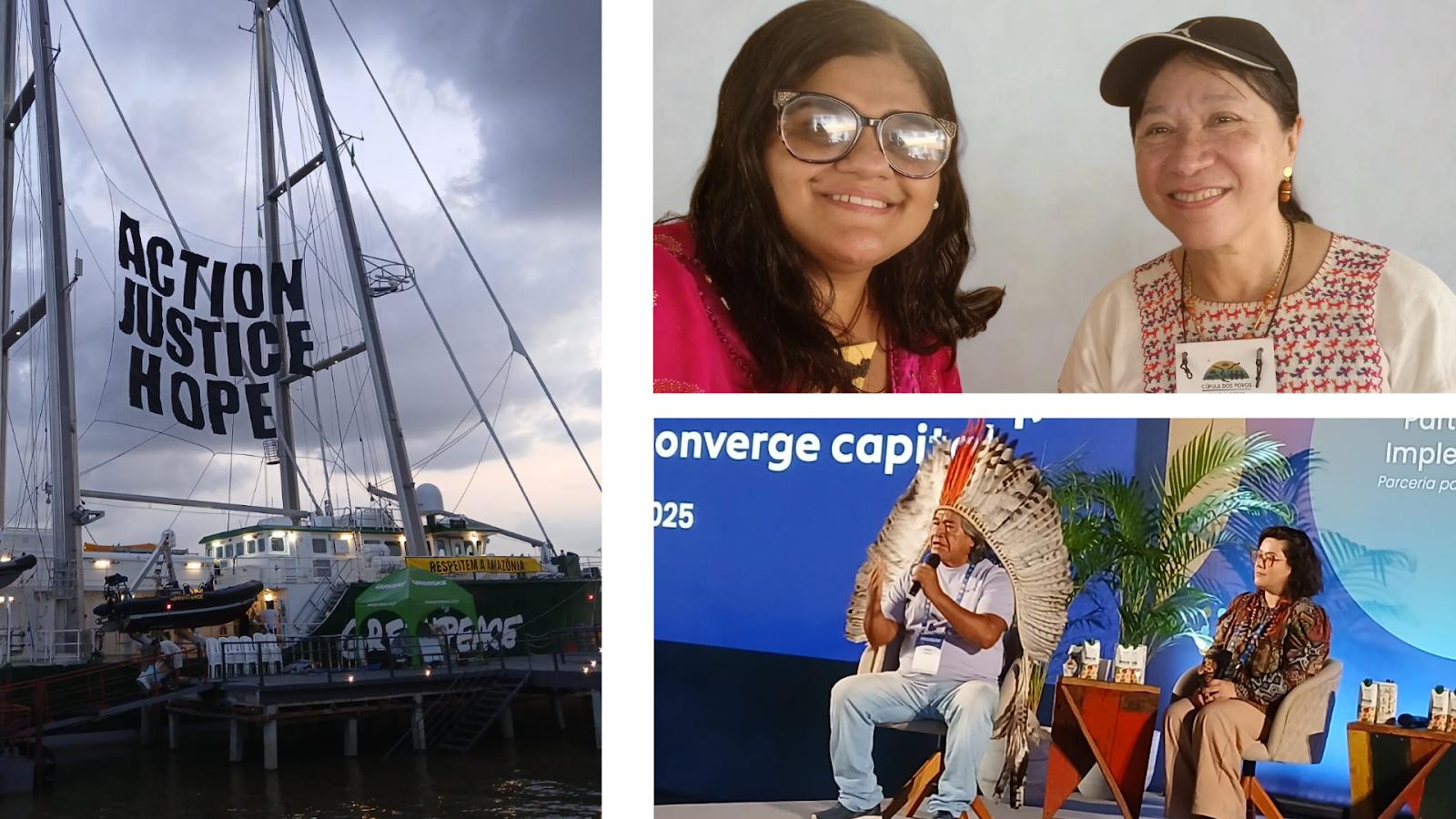
From the front lines in Belém, Regeneration International’s Mercedes López takes a hard look at COP30 — tracing the UN climate summit’s history, contradictions, and limits — and dares us to rethink where genuine transformation comes from.
30 Years of Climate Summits: Have They Delivered on Their Promises?
by Mercedes López, Via Orgánica and Regeneration International
Nearly three decades ago, in 1995, the world gathered in Berlin, Germany, for the first United Nations Climate Change Conference, better known as COP1. Since then—except for the year 2020, when the pandemic halted international travel—these annual summits have aimed to unite nations around one urgent mission: tackling global warming.
But 30 years on, the planet’s fever is only getting worse. From stronger hurricanes and longer droughts to melting glaciers, raging wildfires, and deforestation, the impacts of climate change are accelerating. Pollution continues to spread across oceans and landscapes, and communities defending their natural resources face increasing threats.
Despite ambitious pledges and countless declarations, critics argue that the COP process has failed to produce tangible progress toward climate justice, particularly for the most vulnerable populations.
As COP30 convenes in Belém do Pará, Brazil—the gateway to the Amazon, often called “the lungs of the Earth”—a difficult question resurfaces: have these summits truly advanced climate action, or have they become platforms dominated by powerful corporate interests?
Read More
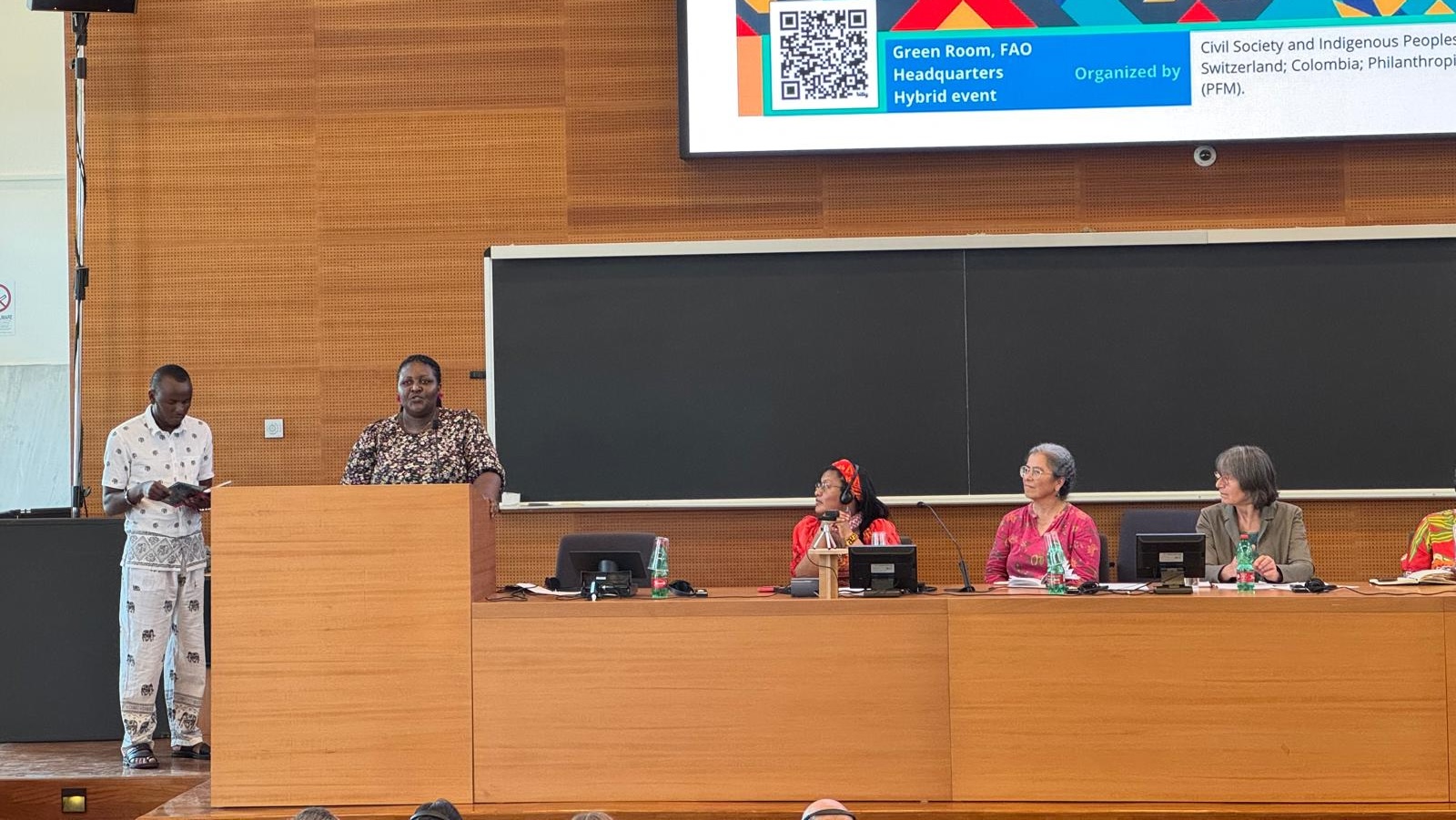
Regeneration International’s Voice in Global Food Policy Strengthened at CFS 53 – Rome Highlights
by Precious Phiri, Regeneration International Africa Director
I’m delighted to share reflections from my recent mission to Rome, where I represented Southern African Civil Society under Regeneration International (RI) in my role as Africa Coordinator. This journey took me to the 53rd Session of the UN Committee on World Food Security (CFS) and the associated Civil Society and Indigenous Peoples’ Mechanism (CSIPM) events — a powerful convergence of voices shaping the future of global food systems.
For me, it was the first time contributing directly to policy discussions at such a high level. The CSIPM platform truly stands out — it gives civil society a direct, respected voice in global food governance, something many international forums still lack.
RI in the Global Decision-Making Arena
The CFS remains the only global intergovernmental platform where civil society and social movements can formally engage with governments, responding in real-time and co-creating policy outcomes.
For Regeneration International, being part of this space means more than representation — it’s about ensuring that regenerative, farmer-led, and community-rooted approaches are visible, valued, and embedded in global policy processes.
Read More
People’s Food Summit 2025
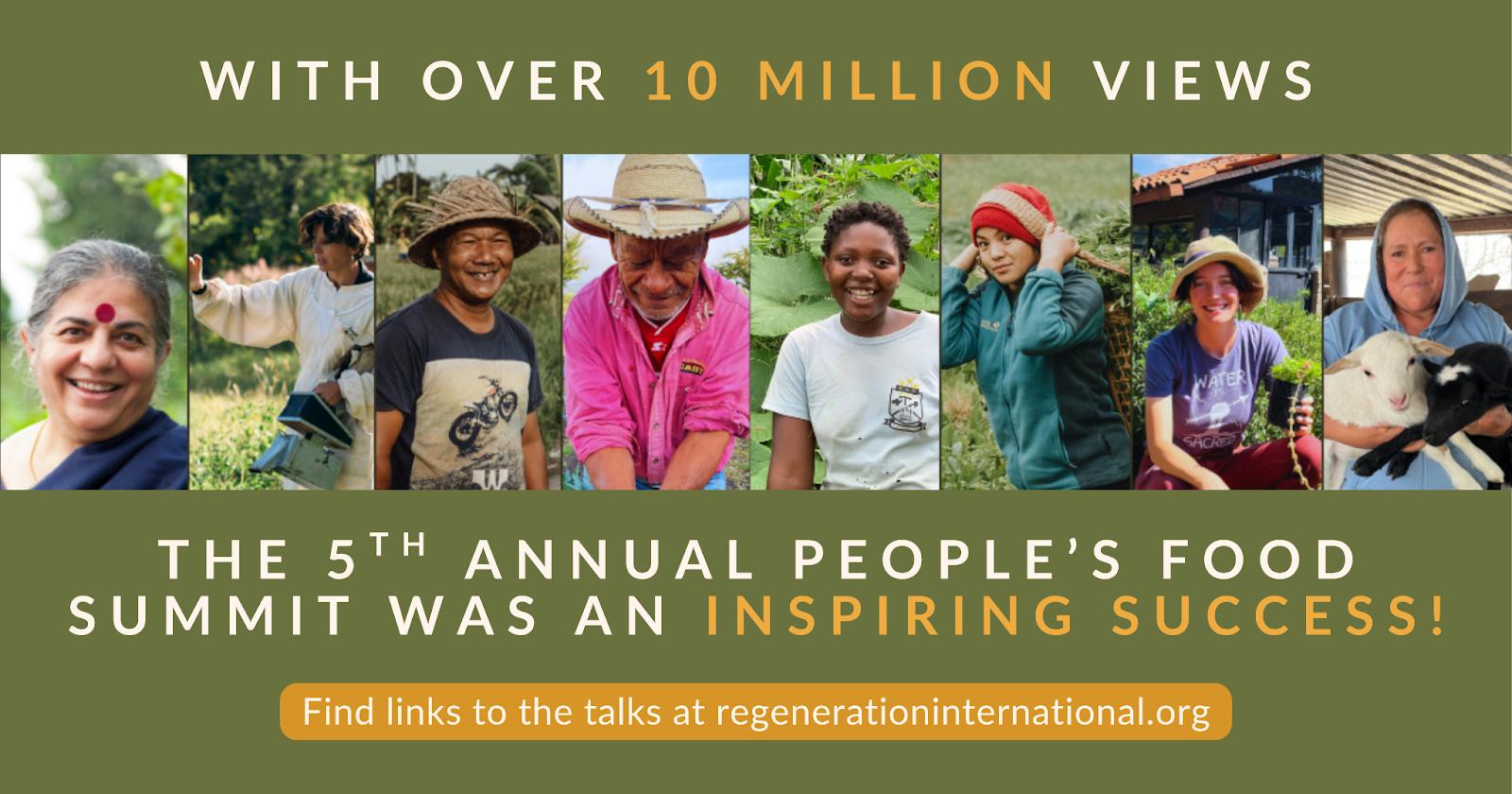
Regeneration International’s 5th annual People’s Food Summit was a huge success!
We reached 10 million viewers with the news that regenerative agriculture is the positive solution our planet needs.
The Summit’s unique 24-hour format takes us around the world through time zones and across every continent to meet the people who have dedicated a lifetime to our food systems allowing us to cover a wide range of topics related to regenerative agriculture, from teaching agroecology to smallholder farmers to advocating for regenerative organic systems that integrate biodiversity, climate resilience, community building and equitable food production.
We were honored to host 39 speakers from around the world who shared their insights and wisdom, the talks were insightful and inspiring, and we’re thrilled to share them with you!
All of the talks are available to watch now on our People’s Food Summit page. Learn from the experts who are shaping the future of food and agriculture!
A heartfelt thank you to our speakers for sharing their expertise and to The McKnight Foundation whose generous support has been key in helping us produce the People’s Food Summit each year. We also appreciate everyone who joined in worldwide.
Learn More
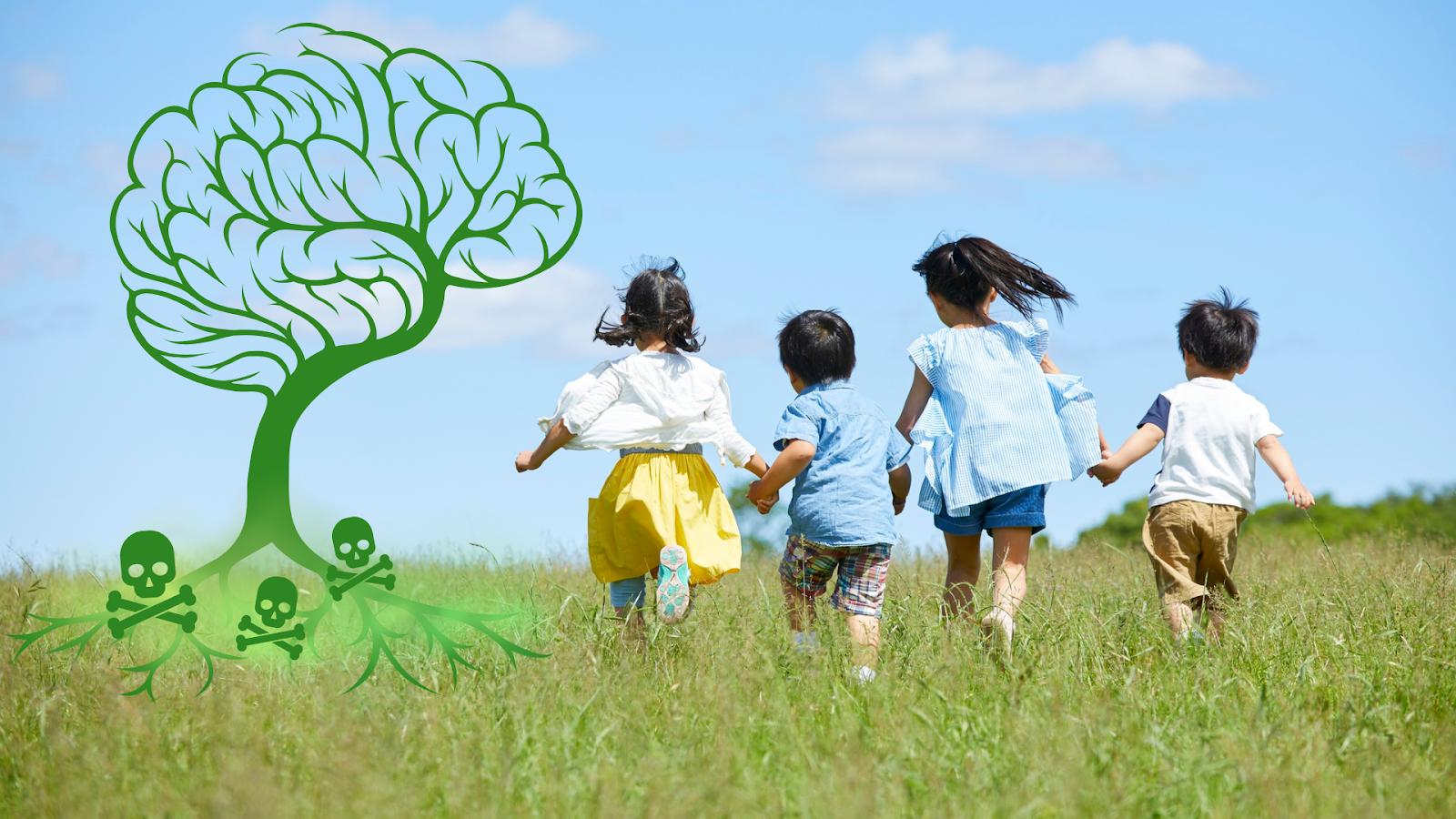
Pesticides in Food Cause Brain Damage in Children
by Dr. André Leu, Regeneration International Director
Two recent studies reveal that even tiny amounts of chlorpyrifos, a common pesticide that leaves residues on produce, can cause brain damage in unborn and developing children. This exposure occurs from consuming fresh fruits and vegetables that have been treated with this toxic insecticide.
The latest review into Autism has ignored the effects of pesticides in the development of this and related diseases. Exposure to small amounts of pesticides in food can harm the brain’s normal development, leading to a range of serious issues observed in children, including autism spectrum disorder, bipolar disorder, ADHD, and other developmental and behavioral challenges.
Read More (No Links Until EN Systems Fixed)
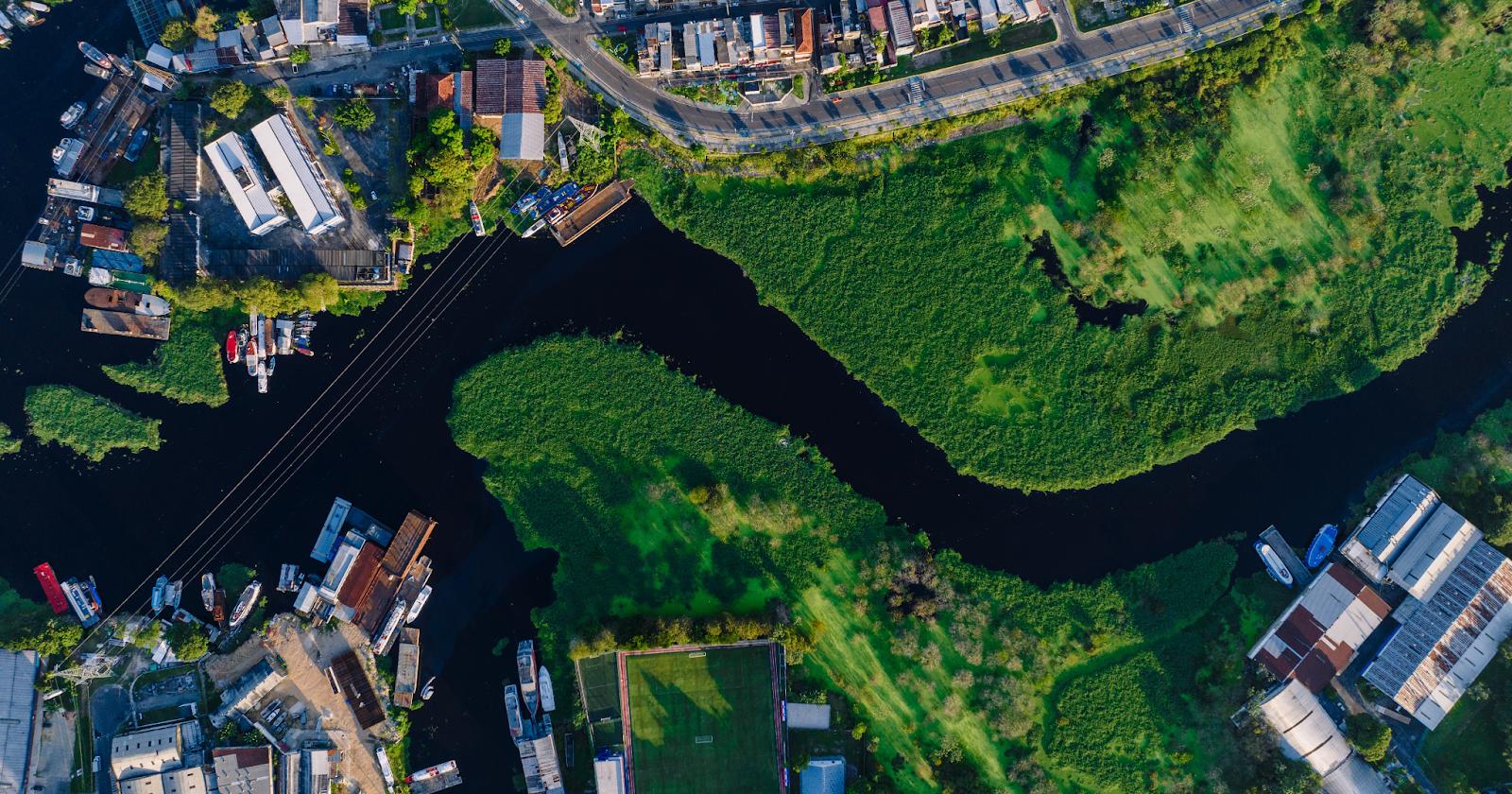
COP30 Could Be Make-or-Break for Food and Climate Solutions
by Danielle Nierenberg
"The next chapter in the history of our planet’s climate will be written next week, as high-level negotiators, policymakers, civil society leaders, business representatives, farmers, chefs, and other climate experts gather for the 30th annual United Nations Climate Change Conference, also known as COP30. The two-week conference began Monday, November 10, in Belém, Brazil.
Will the story of COP30 be one where global leaders step up and embrace the urgent, bold, collaborative policy actions we desperately need to protect our planet and food and agriculture systems? Or will it be a tale of more incremental promises and empty long-range commitments that won’t come due till it’s too late?
I sound dramatic—but, honestly, the challenges facing our global climate systems are dramatic, and we need dramatic action to set us on a better course. This year is on track to be one of the three warmest years on record. The other two? 2024 and 2023. According to the 2025 Global Tipping Points Report, rising greenhouse gas emissions have already pushed the planet past one “point of no return” and we’re on the brink of heading past several more.
The stakes are high, and we can’t afford to hold out any longer."
Read More

From Degeneration to Regeneration: Understanding the RI Standard
As “regenerative” becomes a marketing buzzword, the RI Standard provides a clear, accessible benchmark that protects the integrity of regenerative agriculture. It is designed for farmers worldwide, including those in developing regions, to move from industrial, degenerative systems toward true ecological and social regeneration. Designed to work alongside organic standards or on its own, the RI Standard is being translated into multiple languages and rolled out across more than 80 countries. RI also offers a university-accredited online certificate course in regenerative and organic agriculture.
Why a New Standard?
Many existing standards allow synthetic chemicals and GMOs while still calling themselves “regenerative.” California’s recent definition, which permits these inputs, highlighted the need for a rigorous, farmer-friendly alternative grounded in organic principles.
Two Certification Pathways, Transition Planning, Continuous Improvement
The RI Standard offers two levels: Regenerative A-Grade for full compliance, and Regenerative in Transition for farms actively working toward it. This structure supports real-world progress without demanding perfection overnight. Producers must maintain an annually updated transition plan outlining how they will phase out prohibited practices and improve soil health, biodiversity, water systems, and community wellbeing.
Principles and Prohibitions
Instead of rigid checklists, the Standard emphasizes principles, guidance, and continuous improvement. It includes mandatory prohibitions on synthetic pesticides, water-soluble chemical fertilizers (with narrow exceptions), synthetic feed and food additives, sewage sludge, and GMOs - including gene editing.
A Needed Evolution
By filling critical gaps in existing standards and supporting farmers through practical transition pathways, the RI Standard helps drive a global shift toward agriculture that regenerates soils, ecosystems, and communities.
Learn more about the Regeneration International Standard and Get Certified
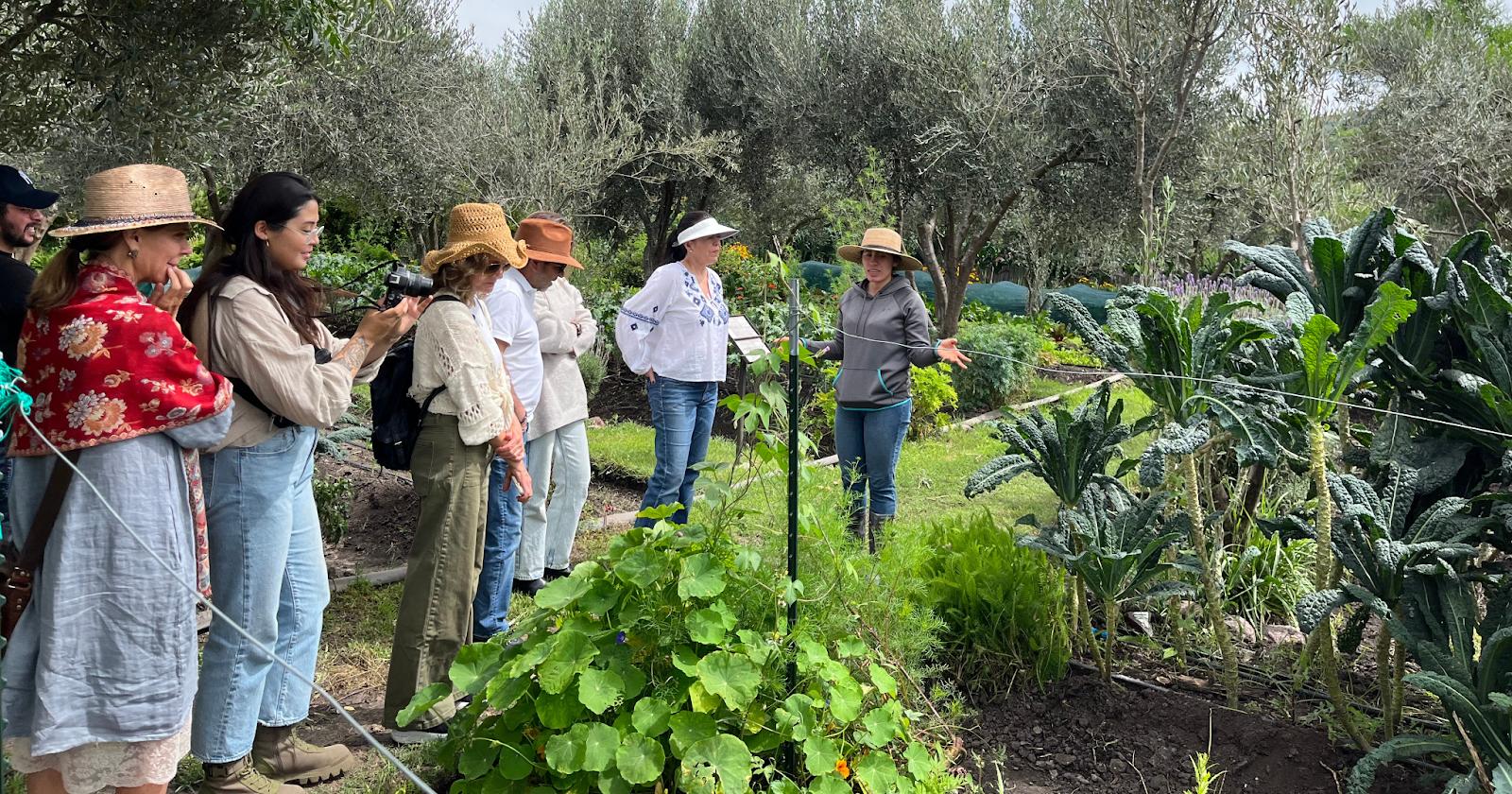
A Decade of the “4 per 1000” Initiative
by Regeneration International
The International “4 per 1000” Initiative, launched by France on December 1, 2015 during COP21, highlights the crucial role agriculture—particularly agricultural soils—can play in ensuring food security and combating climate change.
The initiative brings together voluntary actors from across the public and private sectors, including governments, local authorities, companies, professional organizations, NGOs, and research institutions. Operating within the framework of the Lima-Paris Action Plan, it is grounded in strong scientific evidence and calls on all partners to implement concrete actions that enhance soil carbon storage.
Regeneration International has been engaged with the initiative since its inception. André Leu was among the original signatories in Paris in 2015, marking the organization’s early commitment. Ercilia Sahores has played a key leadership role: she has served as Vice President of the initiative for the past two years and is set to become President for a two-year term beginning in 2026.
During her tenure as Vice President, Ercilia chaired the 9th Day of the “4 per 1000” Initiative, a milestone event that showcased presentations, inspiring stories, and reflections on both the achievements and challenges of the initiative’s first decade.
The international "4 per 1000" Initiative Soils for food security and climate
The “4 per 1000” Initiative: Soils for Food Security and Climate continues to demonstrate that healthy soils are not only the foundation of sustainable agriculture but also a powerful tool in the global response to climate change.
Read More
|
|

The Organic Science and Research Investment Act: What It Is and How It Benefits All Farmers
Ensuring that there are sufficient research resources for organic producers is central to OFRF’s mission and represents the backbone of a resilient food system. That’s why we’re proud to announce that we have led the development of a letter urging Congress to include the Organic Science and Research Investment (OSRI) Act in the next Farm Bill, just introduced this month by Representatives Eugene Vindman (D-VA-07) and Mike Lawler (R-NY-17). This bill provides substantial support and funding for agricultural research programming that benefits all farmers, from those certified organic, transitioning to organic farming, and those who are not certified. The bipartisan introduction of the OSRI Act builds on the collaborative work with Senator John Fetterman’s (D-PA) and Senator Alex Schiff’s (D-CA) offices to introduce this bill in the Senate earlier this year.
Regenerative Organic Agriculture Growing Fast, Gaining Advocates
Alexandre Family Farm is one of 67,000 farms in 46 countries to be certified as meeting standards for four pillars – organic production, soil health, social fairness and animal welfare.
How Regenerative Organic Certified Is Changing Farming and Brands
Regenerative Organic Certified® (ROC™) is a third-party certification overseen by the nonprofit Regenerative Organic Alliance (ROA). It builds on organic certification—meaning all ROC farms and producers must first meet USDA Organic standards (or recognized international equivalents)—and then layers on additional requirements in three key pillars: Soil Health & Land Management, Animal Welfare, and Farmer & Worker Fairness.
Synergistic Effects from Glyphosate and Urea Fertilizer Magnify Earthworm Poisoning
A study of earthworms published in Environmental Science & Technology highlights how chemical mixtures can have both synergistic and species-specific effects, threatening the soil microbiome and overall soil health. In exposing two species, Eisenia fetida and Metaphire guillelmi, to the weed killer glyphosate alone and in combination with urea, a form of synthetic nitrogen fertilizer, the researchers find enhanced toxicity with co-exposure as well as varying health effects between the two species. These results emphasize the need to test a wide variety of nontarget organisms for impacts from environmental contaminants, since species, even within the same genus or family, can exhibit vastly different effects.
Only 3% of International Climate Aid Going to Transitioning Communities: ‘This Is Absurd’
Less than 3% of international aid to slash carbon emissions is supporting a “just transition” for workers and communities away from polluting industries, according to a new report. Released one week before the start of major United Nations climate negotiations in Belém, Brazil, the analysis from the climate and development non-profit ActionAid warns that the world’s response to the climate crisis risks deepening inequality rather than addressing it. It also reveals a “hidden reason that we’ve not seen climate action at scale”, said Teresa Anderson, the organization’s global climate justice lead.
Want a Stronger Food System? Start With Who Owns It
When Bob Moore transferred ownership of Bob’s Red Mill to his 700 employees in 2010, he demonstrated how employee ownership could transform both workers and businesses in the food industry. By the time he passed away in February 2024, he left behind more than just a successful whole-grain foods brand; he left a legacy for how businesses can create lasting value for both employees and communities.
How Urban Orchards Improve a Community’s Access to Fresh, Healthy Food
School gardens have enjoyed at least two distinct heydays in the United States. The first, in the years after World War I, saw some 75,000 school gardens pop up as a means to incorporate outdoor time and food-plant education into a child’s day. We’re still in the midst of the second, which surged in the mid-1990s when California launched an initiative called A Garden in Every School and chef Alice Waters kicked off her Edible Schoolyard Project. There are now almost 7,000 school gardens stretching across the U.S. by last formal count — this time around, also recognized as a valuable tool for increasing kids’ access to healthy foods.
New York Times: What Is Organic? Powerful Players Want a Say
General Mills markets the Cascadian Farms and Muir Glen brands; Kraft owns Back to Nature and Boca Foods, which makes soy burgers. Within the last few years, Dean Foods, the dairy giant, has acquired Horizon Organic and White Wave, maker of Silk organic soymilk. Groupe Danone, the French dairy company, owns Stonyfield Farm. Wal-Mart wants in, too. "We are particularly excited about organic food, the fastest-growing category in all of food," Lee Scott, Wal-Mart's chief executive, said at a recent shareholder meeting. "It's a great example of how Wal-Mart can appeal to a wider range of customers." But as organic food enters the mainstream, evolving from an idealistic subculture rooted in images of granola and Birkenstocks, a bitter debate has ensued over what exactly the word "organic" should mean. And now Congress is jumping into the controversy.
Are We Ready for the Consciousness Shift Jane Goodall Embodied?
To be transformed by the mystical experience of awe and wonder • To engage across differences without enemy-making | How can activism become a force for healing, not just opposition and resistance?
|
|
Support Our Work
Join us in commemorating a decade of groundbreaking work in regenerative agriculture, sparked by the visionary gathering of farmers, scientists, organizers, and activists.
Over the past decade, Regeneration International has grown from these early efforts into a global movement, launching initiatives that are transforming the way we approach food, farming, and the future of our planet.
Some highlights include the People’s Food Summit: Amplifying grassroots voices and promoting food sovereignty - The Billion Agave Project: Reforesting arid lands and promoting sustainable agriculture - Regenerative education programs worldwide: Empowering communities to adopt regenerative practices.
And we are excited to announce The Regeneration International Standard: Ensuring the integrity of the “regenerative” label and promoting accountability.
Please help us keep the moment going. Your contribution will help us continue to promote regenerative agriculture practices globally, support grassroots movements and community-led initiatives, implement standards for regenerative agriculture, as well as educate and empower consumers to make informed choices.
Donate today and help us build on Regeneration International’s momentum over past decade to give more people an opportunity for a healthy organic and regenerative life and future.
Make a tax-deductible donation to Regeneration International
|
Upcoming Events |

In Person:
11/17 - 2nd International Conference on Agriculture and Natural Resources
11/18 - Roots to Regenerative Agriculture
11/19 - Sustainable Agriculture Summit
11/20 - I Congreso internacional de ganadería regenerativa “Rentabilidad y servicios ambientales”
11/20 - Maple Creek – Cover Cropping Workshop with Joel Williams
11/25 - Organic Solutions for a Complex World
11/27 - BC Seed Gathering
12/09 - Join us for the 23rd Annual MOA Conference
Online:
11/17 - Webinar: Keeping Regenerative Real: Embracing Organic’s Regenerative Roots and Weeding Out Greenwash
12/03 - Webinar: Vegetable Systems Trial—Relating Soil Health to Nutrient Density in Vegetables
12/10 - Webinar: Farm-to-Retirement Community
*Click here to view full events calendar and submit your own
|
|
|


Regeneration International is an independent 501(c)(3) nonprofit, dedicated to building a global network of farmers, scientists, businesses, activists, educators, journalists, policymakers and consumers who will promote and put into practice regenerative agriculture and land-use practices that: provide abundant, nutritious food; revitalize local economies; regenerate soil fertility and water-retention capacity; nurture biodiversity; and restore climate stability by reducing agricultural greenhouse gas emissions while at the same time drawing down excess atmospheric carbon and sequestering it in the soil.
This email was sent to
Click Here to Unsubscribe